
Backpacking Holiday

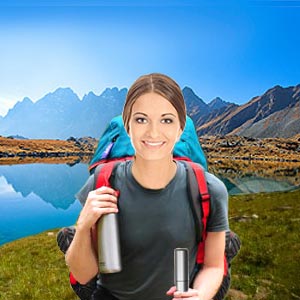
Travel light, budget travel or backpack holidays are a great way to experience the unexplored areas of the world. The extra edge about backpacking travel is 'travel very light and move around anywhere and everywhere quickly'.
Backpack holidays can be a welcome break for fun-loving people who wish to take a break from tedious daily routines. Budget air travel, budget hotels and online resources have made it easy to plan and execute backpacking holidays. Backpacking holidays are perfect for those who would love to stay over a weekend at an adventurous or fun-to-explore destination. Backpackers love to explore beautiful and fascinating places that may possibly have limited access.
Things to carry on a backpacking holiday
Choose the right backpack
- Select a backpack that is comfortable and fits you well.Backpacks are available in various models, backpacks with extensions for long-haul camping vacations, backpacks with external frames for heavy loads, etc.
- The material used to make the backpack should be of good quality.
- The backpack should have strong shoulder straps.
- Make sure your backpack has adequate padding and curves to protect your collarbone from strain.
- A backpack should have strong and durable zippers;choose bags with large zippers as they are easy to use.
- Backpacks should have a good waist strap.Waist straps take away the weight off the shoulders thus making it easier to carry the backpack.
Camping gear and cooking utensils
- Shelter is the foremost requirement during a camping vacation, so ensure you choose the right camping gear
- Backpacking camping tents should be lightweight and compact
- Cooking equipment should include utensils, stove and cooking fuel. Remember to carry containers to fetch water.
- Carry iodine tablets to treat water before drinking it.
Sleeping Gear
Rest and sleep are very important on a backpacking holiday. Good sleeping gear would include:
- Sleeping bag: thicker bags can be used for cold climates and thin bags can be used for warm climate. It is suggested that all sleeping bags should have a liner.
- Air pillow
- Sleeping mat
Personal Gear
- Shoes/boots
- First-aid kit
- Eye protection
- Sunscreen lotion
- Headgear
- Daypack
- Water bottle
- Spare clothes
- Maps
- Compass
Do's for a backpacking holiday
Check on all the aspects before you embark on a backpacking holiday. The list should include:
- Carry only the essential items, do not overload your backpack
- Carry all the necessary documents including insurance, passport and visas for the countries you wish to travel to.
- Brush up your knowledge on environmentally-specific hazards, both botanical as well as animal.
- Check National Forests and Parks for camping seasons and make a list of items that you should carry and should not carry.
- Hire local guides and eat at local hotels
- Pick clothes that suits the climatic conditions and terrain
- Respect the locals and their customs and traditions
- Try to learn a few key words of the local language
Don'ts for a backpacking holiday
- Do not over pack or overload your backpack
- Do not litter
- Do not offend the locals
- Try not to travel alone
Limitations of backpacking holidays
- The weight that each traveler carries on such trips can slow down his pace of travel.
- Setting up camps can be time consuming for beginners.
- Cooking food can also be time consuming.
- Backpackers can face risks like difficult terrain, wild animals, unfavorable weather, etc.
- Backpackers might suffer unexpected illness like heat exhaustion, altitude sickness, dehydration, etc.
Backpackers who plan their trip carefully can avoid such risky and tricky situations.
Backpacking insurance
Traveling light does not mean travel without insurance. It is advisable to pick a good backpackers travel insurance policy. Most insurance companies offer customized backpackers travel insurance products. Backpacking insurance is available relatively cheap as people do not carry too may belongings or high value articles on their trip.
Before settling down on an insurance package, check out on the agents and the options they offer. If you wish to explore various countries, ensure that your insurance provider covers that country. Not all insurance providers cover all countries you might wish to travel. Consider the following while picking up backpacking holiday insurance:
- If you are planning to carry expensive equipment,make sure you are covered for it. You may have to pay extra for expensive equipment like camera or MP3 players. Ensure that the backpacking insurance policy mentions the items covered in writing.
- Cheaper policies offer only medical coverage and nothing more.
- Check if the backpacking holiday insurance has coverage for theft. You might have to check on whether the insurance provider offers cover for the cash you carry.
Always carry your backpacking insurance details. Retain all the receipts for your purchase and ATM cash withdrawals as most insurers ask for proof of purchase when you make a claim.
Cheap backpacking holiday
- Traveling on weekdays rather than weekends as weekend travel is expensive when compared to weekday travel.
- Plan your trip in advance. It is advisable to travel during off-season months as you can benefit from discounts on airfare, hotel tariff, etc.
- Traveling in the night would save a lot of money on room rents and also save time.
- Travel by the cheapest mode of transportation available. Traveling by bus or coach will give you the opportunity to explore the terrain and interact with the locals.
- Stay in youth hostels
- Try to eat in local eateries or cook your own food
Backpacking holiday in Europe
Europe has diverse cultures and people; a backpacking holiday to Europe is definitely fun. Europe is filled with museums,art galleries and many more interesting attractions. You can enjoy walking tours, bicycle tours, European river cruise or the traditional coach ride while holidaying in Europe. Festivals and fairs are a common affair in Europe all through the year; do not miss them while on a holiday. While you plan a backpacking holiday to Europe:
- Make a list of the countries and the places in those countries that you would wish to visit
- Decide on how you would wish to travel to these countries and within the respective countries
- Check out on the visa requirement and other formalities for each of these countries
- June, July and August would be the best time to go backpacking in Europe
- Travel during spring (March, April, may) season can fetch you a lot of discounts but remember during off-season few attractions are either closed or have restricted visiting hours
- Plan your stay in youth hostels, as they are an inexpensive option for stay in Europe
Backpacking holiday in Thailand
Thailand is a welcome retreat for backpackers with its perfect mix of ancient monuments and modern cities; beautiful landscape, culture, weather, nightlife, beaches and cost-effectiveness. Thailand backpacking has gained huge popularity among budget travelers as other countries especially in Europe have become too expensive. Temples, serene beaches, scuba diving, snorkeling, spas and many more activities are offered at affordable rates thus attracting numerous backpackers. Accommodation and food are also available at reasonable rates. While planning a backpacking holiday to Thailand:
- Remember that the visa granted in Thailand is only for 30 days from the date of entry.
- Visa extension is expensive.
- Carry your passport with you wherever you go
- Bangkok is the hub for backpackers traveling to Southeast Asia.
- Accommodation is available aplenty and cheap in Thailand.
- Daily food markets and night markets are very famous for eateries, try them to enjoy the authentic Thai cuisine
- November through February is the best time to travel to Thailand mainly for backpack travelers as the weather is both cool and sunny.
Backpacking holiday in Australia
Northern Australia is an excellent place for backpackers who wish to explore natural attractions. Australia as such is a beautiful combination of nature and metropolis. Australia has plenty of backpacking accommodations like youth hostels, swags, safari tents, hotels etc.
March to May is off season and does not require any advance booking. Trips during spring (September - November) and summer (December - February) seasons need more planning and reservations. While planning for a backpacking holiday to Australia remember:
- To book your accommodation in advance
- Accommodation in Australia gets very expensive during the Christmas and New Year season
- Eating out in restaurants can be very expensive; it is advisable to cook your own food
- Traveling by campervans is the cheapest option of local travel within Australia
Western Australia: Perth is the Capital and has many backpacking hostels. The beauty of the Western Australian coastline is something that no backpacker should miss. Be it SharkBay, King Sound or trekking through deserts - experience it all while backpacking through Western Australia.
South Australia: Adelaide is the Capital and offers fantastic nightlife and great beaches. Other places are also worth exploring.
Victoria: Melbourne is the capital and the largest cosmopolitan city of Australia. It has many backpacking hostels. The National parks and Philips Island are worth visiting.
Northern territory: Darwin is the capital.The climatic conditions of the Northern territory are varied. It is a hot desert in the center and filled with lush greenery in the northern most territory. Dramatic scenery at the center and National parks are the major attraction for every backpacker.
Queensland: Popular as the sunshine state of Australia, Brisbane is the capital of Queensland. The Great Barrier Reef is the major attraction for every backpacker. Cairns is equally popular among backpackers. The most popular choices of a backpacker are Perth, Melbourne,Canberra, Brisbane, Byron Bay,Sydney, Tasmania, surfer's paradise, Broome and Cairns.
Top of the Page: Backpacking Holiday
Tags:#backpacking holiday #cheap backpacking holiday #backpacking holiday Europe #backpacking holiday Thailand #backpacking holiday Australia
 Recreation Guide
 Travel Plan
Camping Checklist
Vacation Condo Rental
Rental Travel Trailer
Yacht Charter
Cruise Travel Guide
Travel Insurance
Tipping Etiquette
Budget Vacation Tips
Winter Vacation
Spa Vacations for Women
Vacations for Single Women
Winter Resorts
Backpacking Holiday
Golf Vacation Package
Cheap Holiday Package
Low Cost flights
Budget Motels
American Destinations
 Banff National Park
 Amelia Island Florida
Sanibel Island
Finger Lakes Trail
San Diego Attractions
Fort Lauderdale Travel
Orlando Florida Vacation
Colorado Vacation
Florida Keys
Maine Vacation
Travel to Salt Lake City
Travel to Newark
Fort Myers Travel
Tennessee Vacation
Alaska Adventure Travel
Yellowstone Vacation
Nags Head
Lake Tahoe Ski Resort
Grand Canyon Tour
Yosemite National Park
Ottawa Vacations
Summer Holidays in Montana
Adventure holidays
 Ecotourism Holidays
 Madagascar Travel Guide
White Water Rafting Holidays
Lake Titicaca Islands
Kayaking Trips
Travel Destinations
 Palawan Philippines
 Cameron Highland
Visiting Cayman Islands
Seychelles Vacations
Dominican Republic Vacation
Cartagena Colombia
Galapagos Vacation Packages
Machu Picchu Travel
San Juan Puerto Rico
Victoria British Columbia
Tenerife Holiday
Fiji Vacation
Fall Foliage Tour
Quebec Travel
Saltspring Island
Argentina Travel Guide
Jerusalem Tour
Petra Jordan
Via Dolorosa
Amsterdam Vacation
Bermuda Cruise
Halifax Tour
Niagara Falls Canada
Tropical Getaway
Mexico Travel Package
Hawaii Travel Package
Tahiti Vacation
Barbados Vacation
Cyprus Holidays
Egypt Holidays
Travel to Costa Rica
Family Vacation
All Inclusive Family Vacation
Vacation with Kids
Holidays with Pets
Beach Vacation
 Laguna Beach Hotel
 Travel to French Polynesian Islands
Myrtle Beach Resort
Daytona Beach Florida
Panama City Beach Florida
Orient Beach
Sunset Beach NC
Bondi Beach
Australia Travel Destinations
Great Barrier Reef
Australia Cruise
Tasmania Australia
European Tour
 Mallorca Travel Tips
 Travel to Budapest
Jungfrau Top of Europe
Travel to Chamonix
Antwerp Tourism
Poland Travel
Turkey Travel Planner
Prague Travel Guide
Monte Carlo Monaco
Ireland Vacation
Pisa Italy
Florence in Italy
Croatia Beach
Lanzarote Canary Islands
Genoa Tour
Malta Holidays
Venice Vacation
French Riviera Vacation
Travel Package Portugal
Travel to France
Andorra Tourist
London Travel Package
Cardiff Tourist Information
Weekend Break in Scotland
Helsinki Finland
Liechtenstein
Scandinavian Cruise
Madrid Vacation
Belarus Tours
Luxembourg Travel Guide
Latvia Tourism
Estonia Vacation
Albania Tours
Bulgaria Vacation
Asia Holiday Destinations
 Laos Sightseeing
 Chocolate Hills
Guimaras Island
Borneo Eco Tours
Sightseeing Japan
Cambodia travel
Saigon Vietnam
Bhutan Travel
Macau Tour
Guangzhou China
Shenzhen China
Hong Kong Vacation
Lantau Island Hong Kong
Dubai Shopping Festival
Kuala Lumpur Tour
Singapore Tourism
Bali Indonesia
Phuket Thailand
Bangkok Vacation
Mauritius Holidays
Goa Holidays
Nepal Holiday
Maldives Resort
Top of the Page: Backpacking Holiday
Popularity Index: 101,651