
Organic Cosmetics

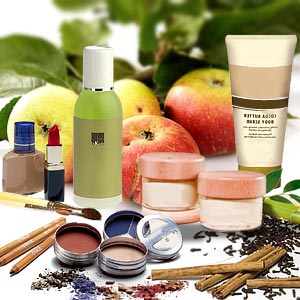
The green revolution has taken the cosmetic industry by storm. Organic cosmetics are becoming increasingly popular these days as the ingredients used are free from synthetic chemicals and thus biodegradable too. Dermatologists often warn against the use of traditional cosmetics that use chemicals most of which are derived from petroleum.
For instance, distinct fragrances used in lotions, shampoos, and other cosmetic products are derived from certain aromatic hydrocarbons derived from petroleum. Such chemicals are capable of causing long-term adverse impacts on human skin leading to skin irritations, rashes and allergic reactions. Therefore, if you have a sensitive skin or looking for an organic alternate it is ideal to switch over to organic cosmetics.
Organic Cosmetics
Organic cosmetics use natural ingredients that are grown without the use of chemical fertilizers, pesticides, insecticides or herbicides. Organic cosmetics contain all sort of natural ingredients found in nature like fruits, plant extracts, seeds, minerals, natural oils and waxes. For instance, colored minerals are used to obtain shades of lipstick, eye shadow and blush. Shea butter, honey and avocados are used to make lotions and scrubs while soaps are made of plant oil such as palm and coconut.
People, especially women around the world are growing aware of the dangers of using chemical cosmetics. It is also found that usage of organic cosmetics prevents signs of premature aging by restoring moisture balance and smoothing fine lines.
Guidelines for finding organic cosmetics
Changing to organic cosmetic products reflects people's contribution towards a friendly and green environment. However, with myriad products labeled 'organic' or 'natural', it is getting difficult to identify the perfect organic cosmetic in the market. Most people tend to consider products labeled 'natural' as an organic cosmetic derived from natural extracts. Though both 'organic' and 'natural' appear synonymous, they absolutely differ in the cosmetic industry.
Although natural cosmetics replace carcinogenic products derived from the petroleum base, they are not fully free from chemicals. Products labeled as 'natural' in many countries, including US contain only 70% of ingredients from plants and natural resources. The rest is comprised of chemicals - supposedly the ones that are not harmful to our skin.
The labeling of 'organic' or 'natural' is virtually unregulated by governments, leaving consumers to rely on industry self-regulation. Groups such as the French organic certifier Ecocert, the Soil Association in Britain and Oasis (Organic and Sustainable Industry Standards) in the United States have laid some certification rules and these are adopted by a few companies. Still there are no clear guidelines across the globe for what constitutes organic products.
Hence, when you buy an organic cosmetic labeled 'organic' or 'natural', be extra vigilant in choosing products that does not contain any of the following toxic ingredients. Do not buy the organic cosmetic if you find anything under ingredients like:
- Sodium lauryl sulfate (SLS)
- Sodium laureth sulfate
- Ammonium laureth sulfate (or family of SLS),
- Aluminum
- Animal fat
- DEA (or diethanolamine)
- Dioxins
- Formaldehyde
- Elastin
- Fluorocarbons
- Petrolatum
- Mineral oil
- Padimate-0
- Synthetic colors
- Propylene glycol
Be cautious in using products labeled fragrance as most them contain up to four thousand separate ingredients that are toxic and carcinogenic. It has been noticed that fragrances can have adverse effects on the central nervous system, causing depression, hyperactivity, and irritability.
Try avoiding products that use mineral oils, emulsifiers or waxes. Also, understand that mineral oils do not give any nourishment to the skin because they do not contain fatty acid. Therefore, they have no affinity with the skin and cannot be absorbed by the skin.
A number of debates, researches and workshops are still on to organize organic cosmetic regulation. Europe is making efforts to collate personal care standards with the launch of Cosmetic Standards Working Group's Cosmetics Organic Standard (COSMOS). The group has seven organizations - manufacturer groups, standards and certifying bodies and associations of consumer s working in the field of organic cosmetic products.
Top of the Page: Organic Cosmetics
Tags:#organic cosmetics
Makeup Foundation
Makeup Tips
Waterproof Makeup
Blush Makeup
How to Apply Blush
Mineral make up
Mineral powder makeup
Hypoallergenic Cosmetic
Organic Cosmetics
Using Makeup Sponge
Makeup Brush Guide
Discontinued Makeup
Beauty Trends
Makeup for problem skin
Makeup for oily skin
Makeup for dry skin
Makeup Tips for Redheads
Makeup Tips for Dark Skin
Concealer
Prom Make Up
Blackhead Removal
Whiteheads
Bridal Make up
Semi Permanent Make Up
Makeup Tips for Aging Skin
Eye Makeup

Eye Makeup Tip
Smoky Eye Make Up
Eyelash Extension
How to apply Eye Shadow
How to Apply Eyeliner
Mascara
Makeup for droopy eyes
Makeup Tips for Brown Eyes
Makeup Tips for Green Eyes
Makeup Tips for Blue Eyes
Eye Makeup Remover
Top of the Page: Organic Cosmetics
Popularity Index: 101,572