
Postpartum Depression

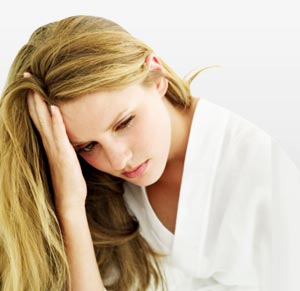
With the arrival of your baby, you have every reason to be happy and delighted. At the same time, you could also be experiencing an unexplainable sense of sadness, loss of appetite and concentration just after childbirth. All this could just mean that you are going through postpartum depression. Postpartum depression can run in families and is commonly recognized as a state of temporary depression experienced by a woman after childbirth. Learn to recognize the symptoms of postpartum depression and the various treatment options.
Postpartum depression
Statistics point out that one of 10 childbearing women experience postpartum depression.
- Depression is most likely to occur in women during the primary reproductive years (25-45)
- Women are twice as likely as men to experience depression.
Often, people confuse baby blues with postpartum depression. Baby blues subside as hormone levels stabilize within a couple of childbirth. Symptoms of baby blues may not require treatment and can be handled with good rest combined with moral support from family, friends and support groups. Postpartum persists much longer after childbirth and often requires treatment of symptoms. Postpartum depression is an illness whose symptoms are not any different from other forms of depression. But, postpartum depression happens only after delivery or childbirth.
Symptoms of postpartum depression
Postpartum depression can begin any time after delivery and last up to a year. Arrival of a newborn means a lot to the family, in particular the mother. Caring for the newborn is stressful and it is common for mothers to feel over anxious, tensed and exhausted. But, if a mother feels less motivated to care for the child, loses appetite and concentration that persists for many days, she needs help. Medical examination of these changes in attitude is undertaken to determine if she is going through postpartum depression. If the symptoms persist for more than two weeks after childbirth, it is recognized as postpartum depression.
- Sadness
- Inability to sleep
- Loss of appetite, weight loss
- Loss of energy or motivation
- Feeling worthless or guilty.
- Lack of interest
- Wanting to cry
- Inability to concentrate
- Feeling restless or irritable.
- Thoughts or ideas about suicide.
- Worrying about hurting the newborn.
- Having headaches, chest pains, heart palpitations and hyperventilation.
Causes of postpartum depression
While research activities continue to evaluate the exact reasons for postpartum depression, it is commonly associated with changes in body, mind and lifestyle adjustments.
Physical changes
- Levels of hormones estrogen and progesterone drop sharply just after childbirth and can trigger depression.
- Hormones produced by thyroid gland may drop rapidly, resulting in fatigue, sluggish feeling and depression.
- Changes in body metabolism, blood pressure, amount of blood in body, after childbirth does negatively affect mental state of woman.
Emotional reasons
- An unsatisfied birth experience like spouse not present during child delivery
- Medical complications that make it difficult to care for baby
- Anxiety to be a super mother
- A sense of losing body image
- Unable to accept responsibilities of motherhood.
Lifestyle Adjustments
- Meeting requirements for newborn including the financial aspect
- Absence of support from spouse, family resulting in self-reliance
- Having very less free time and broken sleep patterns
- Body pain or delivery complications that restrict movements
- Problems with breast-feeding
- Modifications in sexual relationship with partner.
Susceptibility to postpartum depression
There is no particular age or other specification for onset of postpartum depression. It affects women of all ages and races. It is not restricted to delivery of first child or subsequent ones. It can develop after birth of any child and the chances for recurrence is equal. Postpartum depression is more likely in any of the following circumstances.
- History of depression in the family.
- Previous postpartum depression experience.
- Severe premenstrual syndrome (PMS).
- Absence of adequate care and co-operation from spouse.
- Had a psychiatric illness earlier.
- Occurrence of a stressful event during pregnancy or after childbirth.
A mother with severe depression may not care as much for the baby, if she were completely well. She may not breastfeed or cultivate an emotional bond with her newborn. Postpartum depression can hamper the infant's growth and development and lead to behavioral and sleep problems as well as lower activity levels.
Prevent postpartum depression
Early detection and acknowledgement of change in attitude and feelings is vital in the prevention and treatment of postpartum depression.
- Being aware about PPD in family
- Consulting a physician to assess risk factors
- Recording changes in attitude for self-assessment
- Seeking support without delay or hesitation.
- Getting plenty of help after delivery.
- Planning of house and work activities to accommodate changes.
- Spending special time with spouse or dear ones.
Postpartum depression treatment
Strong emotional, social and physical support combined with counseling (talk therapy) and medicines facilitate a woman's recovery from postpartum depression. As postpartum depression is temporary and occurs only after childbirth, it is easier to deal with related changes in women. If the symptoms persist and do not lessen even after few weeks of delivery, it is advisable to seek medical attention.
Medical experts begin screening and diagnosis by reviewing the signs and symptoms. A blood test to determine thyroid levels is also undertaken. The type of treatment will depend on the severity of depression. Treatment options include using one or a combination of the following.
Medication: Antidepressants called selective serotonin reuptake inhibitors (SSRIs) are used to successfully treat postpartum depression. They increase the availability of neurotransmitter serotonin in the brain that is required to balance hormonal changes. These medications have fewer side effects with little risk to the baby. However, the long-term effect on the baby is still being researched. It is recommended to weigh the potential risks and benefits of using anti-depressant medication and proceed with treatment options.
Psychotherapy: Consulting a psychologist, psychiatrist or other mental health professionals can also help treat a specific issue. As the woman talks to a therapist, psychologist, or social worker, she can learn to modify the way she thinks, feels and behaves. A one-to-one consultation with open communication is an effective treatment for postpartum depression.
Social support: Women with PPD can take help from support group like community services or parenting education to talk and share with other women who are going through the same experience.
Every woman can initiate the process of recovery with these self-care tips.
- Get enough sleep, eat nutritious food and follow an exercise regimen
- Do not overwork
- Go on a small outing.
- Spend time with your partner and share your thoughts
- Be part of a support group to learn and share experiences
- Be realistic
If you are a new mother, do not hide your feelings from family and friends. Seek help and get fit to meet the demands of motherhood. Give your little one all the affection he needs.
Top of the Page: Postpartum Depression
Tags:#postpartum depression #symptoms of postpartum depression #postpartum depression treatment
 Planning Pregnancy
 Pregnancy Diet and Exercise
Healthy Weight Gain in Pregnancy
Pregnancy Food Cravings
Pregnancy Heartburn
Improving Fertility after 35
Ovulation Test Strips
Pregnancy Symptoms
Early pregnancy cramping
Early pregnancy Test
High Risk Pregnancy
More on Pregnancy
 Natural Childbirth
 Premature Birth
Pregnancy Massage
Pregnancy Problem
Pregnancy Due Date Calculator
Amniocentesis
Twin Pregnancy
Ectopic Pregnancy
Pregnancy Morning Sickness
Molar Pregnancy
Pregnancy Ultrasound
Constipation during pregnancy
Insomnia during Pregnancy
Smoking during Pregnancy
Teen Pregnancy
Exercise during pregnancy
Late Term Abortion
Sign of Miscarriage
Pregnancy Fatigue
Pregnancy Gas
Pregnancy sciatica
Belly Wrap after Pregnancy
Emotional Health during Pregnancy
Lactating Mother
Infertility
Recurrent Miscarriage
Pregnancy Varicose Veins
Postpartum Depression
Epidural
Premature Infant
Top of the Page: Postpartum Depression
Popularity Index: 100,884