
Acid Reflux Diet

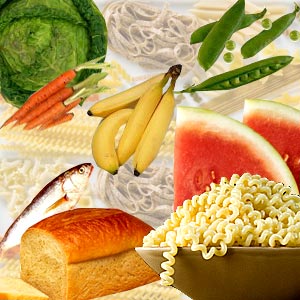
If you suffer heartburn and acidity, a few changes to your diet and lifestyle can go a long way in alleviating the symptoms of acid reflux. It is necessary to be aware of foods that can worsen acid reflux so that you can avoid them. Look up this informative guide to acid reflux diet, one that can give you considerable relief along with diet and lifestyle tips.
Acid Reflux Disease or in medical parlance - Gastro Esophageal Reflux Disease (GERD) afflicts millions worldwide and dietary restrictions can form the first line of treatment and in most mild cases a change in diet can bring significant relief. Certain food items can precipitate or aggravate Acid Reflex disease - like for instance - Whole Milk can trigger GERD for people who have lactose intolerance which affects most people of almost all ethnic origins except Caucasians.
Acid Reflux Diet Guide
GERD Diet restrictions are easy to follow and certain food items if consumed regularly can significantly reduce the symptoms of Gastro Esophageal Reflux Disease. The humble ginger (Zingiber officinale Roscoe) used in kitchens can provide relief if taken fresh in small quantities.
You can eat apples, carrots, cabbage, soy cheese, cereal, oatmeal, corn bread, Graham crackers, baked potato, bananas and fish. Dairy products such as low-fat spread and cottage cheese can usually be included in an acid reflux diet. Try and use low-fat salad dressings. You can breakfast on jelly or jam with whole wheat toasts. Try whole-grain cereal and complement it with a banana or apple. Low-fat yogurts, broiled chicken, lean beef patties are other choices for those on acid reflux diet. Include plenty of soups, lettuce and green salad in your daily intake.
Acid reflux symptoms in women
Many a women would notice that she gets an upper abdominal pain or discomfort on consumption of a heavy meal or when bending to lift an object. Acid reflux symptoms tend to make an appearance at night, when you are lying on your back. This may result in nausea after eating or stomach bloating and burping. Pregnant women tend to suffer more from acid reflux symptoms due to the pressure from the growing fetus and the increased hormone levels.
To avoid acid reflux symptoms, do not go in for carbonated drinks. Stick instead to mineral water and fresh juices. Tea and coffee are to be avoided by those on an acid reflux diet. Alcohol, wine and beer can play havoc with your stomach acids. You can try and dilute spirits with water. Citrus fruits and their juices are an absolute no-no as far as acid reflux diets go. So you need to stay clear of lemonade, grapefruit juice, orange juice and cranberry juice.
Avoid French fries, ground beef and sirloin. Tomato-based sauces are also likely to trigger acid reflux. Creamy dressings, high-fat desserts and liquor can worsen heartburn and acid reflux. Chocolate, fried foods, onions, spicy foods and peppermint are likely to aggravate acid reflux. Fatty meat such as salamis, sausages and patés are a no-no for anyone suffering from acid reflux. Instead, try to stick to chicken and turkey without the skin and fish. Do not mix animal proteins and grains as this might trigger excess stomach enzymes.
Acid Reflux Diet Tips
- Eat frequent small meals during the day. Avoid big meals.
- Include complex carbohydrates in each meal.
- Limit the consumption of alcohol, chocolate and caffeinated drink.
- Do not lie down on a full stomach. Instead sit in an upright position for about 45 minutes after each meal.
- Stay clear of high-fat meals as they will trigger an acid attack on the stomach.
- Smoking can weaken the lower esophageal muscles. Tobacco aggravates the condition of Acid Reflux disease.
- Maintain healthy body weight. Shed excess weight to curb acid reflux symptoms.
- Chewing gum or sucking on candy can cause swallowing of air, thereby worsening acid reflux and belching.
- Avoid tight clothing, especially around the abdomen.
- Do not drink water during mealtimes but instead drink a glass or two of water about half an hour before a meal.
Persons suffering from acid reflux disease would do well to maintain a diary of foods consumed daily. This can help identify any potential triggers so that you can eliminate them from your diet.
Top of the Page: Acid Reflux Diet
Tags:#acid reflux diet #Gastro Esophageal Reflux Disease diet #GERD diet #acid reflux symptoms in women
Therapeutic Lifestyle Changes Diet
Intermittent Fasting Plan
Flexitarian Diet
Dukan Diet Plan
Diet Plateau
High Protein Diet
Elimination Diet
Raw Food Diet
Paleo Diet
Liver Cleansing Diet
Intermittent Fasting Diet
Low Fat Low Cholesterol Diet
Low Carb Diet
Vegan Diet Plan
Hay Diet
Sacred Heart Diet
Heart Attack Diet
Diet after Gastric Bypass
RICE Diet
Gluten Free Diet
Acid Reflux Diet
Detox Diet
Sonoma Diet
Glycemic Index Diet
Montignac Diet
Diabetic Diet Plan
Healthy Breastfeeding Diet
Negative Calorie Diet
Fad Diet
Blood Group Diet
Diverticulitis Diet
DASH Diet
Ornish Diet
3 Day Diet Strategy
Ketogenic Diet
Zone Diet Plan
Anti Aging Diet
South Beach Diet
Gall Bladder Diet
Low Cholesterol Diet
Low Sodium Diet
Diet and Kidney Disease
Scarsdale Diet Plan
Macrobiotic Diet
Osteoarthritis Diet
Depression Diet Plan
Migraine Diet
Restricted Salt Diet
Gout Diet
Rotation Diet
Diet Cancer Patient
Ways to better Health

Boost Metabolism
BMI Calculator
Low Fat Dessert
Whey Protein
Diet and Fitness
Fitness Exercise Articles
Cardio Workout
Aerobics
Yoga
Body Toning
Top of the Page: Acid Reflux Diet
Popularity Index: 101,613