
Facial Hair Removal for Women

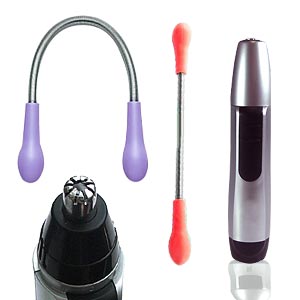
Many a woman has unwanted facial hair. Not many will like to talk about it as it is embarrassing. Naturally every woman has facial hair; it is fine as far as the hair is small and unnoticeable. Facial hair can be seen on the chin, upper lip, forehead and jaw. What is of concern is the excess hair growth or dark hair. Find out ways for facial hair removal in women.
Understanding hair growth
It is most important to understand the various types of hair. All hair is made up of protein called keratin which is a hard protein found even in fingernails and toenails. The growth of hair emanates beneath the surface of skin from the hair root and tiny follicles. Basically there are two types of hair on our body
Vellus: They are tiny soft hairs mostly found in the chest, back and face areas. They are used for proper maintenance of temperature in the body with adequate insulation
Terminal: They are darker and coarser than vellus hair. They mainly grow on the head, armpits and pubic areas. They help in providing cushioning and form a good protection to the body.
Causes of excess facial hair
- Excess hair growth is termed by a condition called hirsutism. This condition occurs when hair follicles are sensitive to excess secretion of male hormone androgen. This condition makes woman feel less feminine and leads to low self-esteem.
- The excess secretion of androgen occurs due to body overweight and stress. This condition can be cured by controlling body weight. It is ideal to consult a doctor before you come to any conclusion
- There are many chances of excess hair growth in women during pregnancy, irregular periods and menopause due to hormonal changes.
- It could also be the side effects of taking any steroid medication and hormone pills for treating any other condition.
- Excess hair growth especially in upper lip and chin is the annoying symptoms of polycystic ovarian syndrome which occurs during the reproductive age.
Facial hair removal in women
There is no need to be panic about the excess hair in the face as various hair removal techniques can be used as remedial measures to overcome this problem.
Waxing: Waxing is the most common and convenient way of hair removal. A layer of melted wax is applied in the area of excess hair so that hair gets affixed to a particular area. This application is then pulled off immediately in the opposite direction of hair growth thereby removing the hair along with it.
Waxing can be done quickly and easily, with smooth results. Cold wax comes in the form of strips, which are then patted to the skin surface. Leftover wax is then scratched or peeled off from the skin. Sometimes it can lead to skin irritation and reddening of skin.
Sugar waxing is done in the similar way as other traditional waxing. Here, sugary paste is applied on the specific area and peeled off with a cotton strips in the opposite direction of hair growth. As the sugar substance is more water soluble, it can be removed easily when compared to the other waxes.
Tweezing and Threading: Tweezing is the best way to remove all the tiny hair follicles. Tweezing is time consuming and requires lot of practice. It is better to damp little cotton or have a shower before tweezing so, that skin becomes soften. This application requires a pair of tweezers to get smooth hairless skin. For using the tweezers the hair shaft must be long enough. This procedure last for 2 to 6 weeks.
Bleaching: Bleaching is the best choice when the facial hair is dark. But, it is not apt for dense hair like those on upper lip, neck and forehead. Many bleaching products are available in the market for this purpose. Mostly, the result is not satisfactory in just one usage.
Shaving: Shaving should never be done for a woman as it makes the hair thicker and noticeable. Shaving leaves the skin reddening and leads to skin irritation. It leaves a masculine look. Shaving should be avoided for facial hair removal but if necessary can be used for other parts of body. Never shave on dry skin, always wet the skin with moisturizer before shaving. This lasts for few days only.
Depilatories: Depilatories make use of calcium hydroxide, sodium or calcium thioglycolate to dissolve the hair. Depilatory usage brings back the hair within few days as the hair is removed only from the surface. First a patch test of depilatory should be taken on the skin to avoid any skin allergy and irritation. The effect on facial hair can last from many days to 2 weeks.
Hair inhibitors: Hair inhibitors don't remove the excess hair instead they inhibit or slow down the process of hair growth. As a result hair treated in the specific area will look thinner and take long time to grow. Hair inhibitor products come in the form of cream and gel. These creams can be applied once or twice a day to get the best results.
Electrolysis: Electrolysis is one of the permanent hair removal techniques used presently. It removes hair by electric shock thereby destroying the hair follicle. Since, it involves electric shock considerable risk is involved in it. There are two techniques of electrolysis:
- needle epilator
- tweezers epilator
Another major side effect is usage of non-sterilized needles and improper handling of this technique. Electrolysis is costlier than other procedures. It requires considerable skill. Nowadays many handy electrolysis kits are available in the market. Since they use only very low voltage, the application is not effective. People who have pacemaker or undergone any surgery should avoid this procedure as it involves electric shocks.
Laser hair removal: Laser is the best of all facial hair removal techniques. A laser beam is flashed at regular interval over the hair growth in order to deaden the hair follicle. Laser techniques work well for light skinned people only. Major drawback of this technique is that the vellus hair can be turned into terminal hair at any time. It should be done by a trained professional to avoid the risk of scars and burns. They last for 6 months to a year.
It is impossible to remove the hair permanently. By knowing the cause of excess hair growth, it is possible to have some control over facial hair growth. As the reason for excess hair growth differs for each individual, these hair removal techniques can also react differently on them.
Top of the Page: Facial Hair Removal for Women
Tags:#facial hair removal #facial hair removal in women #causes excess facial hair in women
 Beauty
 Hair Loss Remedy
DIY Lip Care
Peel Off Lip Color
Moroccan Oil Treatment
Dead Sea Black Mud
Nail Polish Pen Set
Eyebrow Shaping
Long Eyelashes
Tanning Salon
Pedicure
Fish Pedicure
Nail Marbling
Nail Polish
Acrylic Nail
Yellow Nails
Hand Creams
Peeling Cuticles
Cosmetic Surgery
Makeup Foundation
Whiten Teeth Naturally
Tooth Whitening
Salon Spa
Skin Care
Aging Gracefully
Facial Hair Removal for Women
Face Mist
Fragrance
Long Lasting Lipstick
Body Art
Manicure Tips
Cellulite Treatment
Mesotherapy
Colored Contact Lens
Crow's Feet
Acupuncture and Weight Loss
Top of the Page: Facial Hair Removal for Women
Popularity Index: 101,104