
Enlarged Uterus

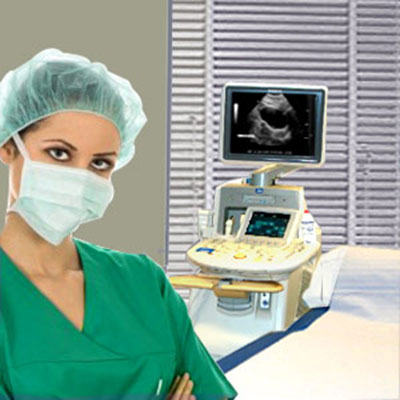
Enlarged uterus is a very common occurrence in women approaching menopause. As the name suggests, enlarged uterus refers to the enlargement of the uterus. Any uterus larger than its normal size (around 30 - 40 gm) can be termed as enlarged uterus. Typically, a uterus measures about 7.5 cm. in length, 5 cm. in breadth, at its upper part, and nearly 2.5 cm. in thickness; it weighs from 30 to 40 gm. As women grow older, the shape and size of their uterus changes.
But if there is an abnormal change in the size or shape or if this change results in pain then it needs investigation. An enlarged uterus could indicate various problems too.
As women age, they are susceptible to various reproductive system disorders. Enlargement of the uterus is identified as one such problem in aging women. Enlargement of the uterus happens either during the childbearing age or beyond. When the uterus enlarges, the abdomen bloats and the enlarged abdomen is often clearly visible to the naked eye. In a few cases, the abdomen might not grow in size but the problem can be felt within. Most often, the woman might not even realize that she has an enlarged uterus. It is noticed by a doctor on physical examination or ultrasound.
Enlarged uterus causes and symptoms
Fibroids: Fibroid is one of the common causes of enlarged uterus, they are called uterine fibroids. Research points out that 40 - 45% of women suffer from uterine fibroids at some point in life. Fibroids are non-cancerous growth in the woman's uterus. They are a common occurrence during the childbearing age. Fibroids can show up either inside, outside or even within the uterus wall. Fibroids may develop as a single tumor or may be present in groups. The size of the fibroids varies from that of a pea to a melon.
Symptoms of fibroids-led enlarged uterus
- Heavy menstrual bleeding
- Pain during sexual intercourse
- Frequent urge to urinate
- Pain in the pelvis
- Abdominal pain or pressure and lower backache
- Constipation
If the uterine fibroid is small and causes no discomfort then it need not be removed.
Ovarian cysts: Cysts in the ovary can cause enlarged uterus. Ovarian cyst is quite common amongst women. Cysts are fluid-filled sacs present either within or on the surface of the ovary. Ovarian cysts are generally benign in nature and cause minimal or nil discomfort.
Symptoms of ovarian cysts-led enlarged uterus
- Backache
- Painful menstruation and abnormal bleeding
- Pain in the abdomen
- Difficulty in passing urine
- Breast tenderness
Ovarian cysts generally tend to disappear on their own, but in few cases they can lead to complications like enlarged uterus.
Cancer: Uterine cancer is common in aging women after the onset of menopause. Cancer commonly occurs in the lining of the uterus, the endometrium. This condition leads to enlargement of the uterus.
Symptoms of uterine cancer led enlarged uterus
Women who are obese and suffer endometrial Hyperplasia are more susceptible for endometrial or uterine cancer. Unusual bleeding, pelvic pain and trouble urinating are typical symptoms.
- Bleeding from the vagina after attaining menopause or in between menstruation
- Pain during intercourse
- Difficulty in urination
Cervical cancer can also cause uterus enlargement.
Molar pregnancy: Molar pregnancy can also cause enlarged uterus. Molar pregnancy refers to the abnormal development of the fetal tissue; this could lead to abnormal enlargement of the uterus. The uterine enlargement is much more when compared to normal pregnancy.
Adenomyosis: This condition can cause uterus enlargement. The tissue lining the uterus starts growing within the uterine muscular wall; this condition is termed as adenomyosis. Adenomyosis results in painful menstruation, blood clots during periods, painful intercourse and cramps. But it could also be silent and merely result in a bulged uterus. It is common in women aged over 30 and is usually very painful. It usually resolves after menopause.
Symptoms of adenomyosis led enlarged uterus
- Menstrual cramps
- Passing blood clots during menstruation
- Heavy bleeding during periods
- Vaginal bleeding between periods
Menopause: Menopause in women can also lead to enlargement of the uterus
Enlarged uterus symptoms
- Severe pain in the lower abdominal region, the pressure exerted by the enlarging uterus on the bladder causes this pain.
- Urinary incontinence
- Abnormal Menstruation; prolonged menstrual bleeding also known as menorrhagia, is a common symptom relating to enlarged uterus. Irregular menstruation, passing blood clots, heavy menstrual flow, blood discharge in between menstruations are also reported.
- Sudden anemia due to excessive blood loss
- Reproductive problems: Enlarged uterus is closely associated with infertility, miscarriages, premature delivery, etc.
- Sudden weight gain: Sudden weight gain, particularly in the waist region is another common symptom with women having enlarged uterus. The hormonal changes in the body induce weight gain.
- Headache and migraine are other symptoms of enlarged uterus.
- Flatulence
- Excessive bloating
Severe abdominal pain and bladder incontinence could also be indicative of other disease conditions. It is advisable to check with the physician on the symptoms and signs.
Enlarged uterus diagnosis
To diagnose and confirm enlarged uterus, the physician might perform the following tests:
- Physical examination of the pelvic region
- X-rays
- Endometrial biopsy
- Blood tests
Enlarged uterus treatment
Based on the diagnosis, the physician will decide on the course of the treatment. Treatment includes:
- Hormonal therapy
- Medications
- Surgical examination
- Total or partial hysterectomy
Symptoms of enlarged uterus should not be overlooked. Remember, if detected early enlarged uterus can be treated successfully.
Enlarged Uterus Fibroid
Fibroids developing in the uterus can enlarge the uterus. The enlargement could either be severe or not as severe depending on the size and location of the fibroid. Few women have a distended abdomen similar to pre-menstrual bloating while yet others have bloated abdomens similar to pregnant women. Enlarged uterus is normally related to fibroids.
Fibroids are benign tumors that develop in the muscular wall of the uterus. They are common in women during their reproductive years. In the United States, fibroids are cited as the main reason for hysterectomy in women. In general fibroids do not pose any serious threat but might develop into one if left unattended.
Intramural fibroid is a type of uterine fibroid that leads to enlarged uterus. It starts developing as a small nodule on the muscular wall of the uterus. As it grows, the tumor expands inward and causes deformation and enlargement of the uterine cavity. Fibroids enlarge the uterus and can at times be felt in the lower abdomen as hard lumps.
Common symptoms of enlarged uterus fibroids
- Pressure on the adjoining pelvic structure, like bowel, bladder, etc
- Urinary incontinence due to pressure exerted by the fibroid on the bladder
- Difficulty in bowel movements
- Backache
- Heavy or painful menstruation
- Abdominal bloating
- Abdominal discomfort
Enlarged uterus fibroid treatment
Surgical
- In severe cases, a hysterectomy is performed.
- In a few cases, the fibroid alone is removed through a procedure called myomectomy
Non-surgical
- Uterine fibroid embolization - Blood supply to the fibroid is cut off through the procedures, this causes the fibroid to die and shrink. Uterine artery embolization is not useful in treating large fibroids. Women who wish to become pregnant in the future should not take up this procedure.
- Medications
Top of the Page: Enlarged Uterus
Tags:#enlarged uterus #enlarged uterus fibroids #enlarged uterus symptoms

Enlarged Uterus
Bacterial Vaginosis
Yeast Infection
Irregular Menstrual Cycle
PMS - Menstruation
Dysmenorrhea
Hypomenorrhea
Mid Cycle Bleeding
Pelvic Organ Prolapse
Vaginal Atrophy
Cervix Cancer
Abnormal Pap Smear
Polycystic Ovarian Syndrome
Ovulation Pain
Uterine Prolapse
Fibroid Tumor
Menorrhagia
Endometriosis Symptom
Galactorrhea
Hysterectomy
Blocked Fallopian Tubes
Menopause and Weight Gain
Premature Menopause
Surgical Menopause
Other health topics in TargetWoman Women Health section:
General Women Health

Women Health Tips - Women Health - key to understanding your health ...
Cardiac Care
Women's Heart Attack Symptoms - Identify heart problems...
Skin Diseases
Stress Hives - Red itchy spots ...
Women Disorders
Endocrine Disorder - Play a key role in overall wellbeing ...
Women's Reproductive Health
Testosterone Cream for Women - Hormone replacement option ...
Pregnancy
Pregnancy - Regulate your lifestyle to accommodate the needs of pregnancy ...
Head and Face
Sinus Infection - Nearly 1 of every 7 Americans suffer from ....
Women and Bone Care
Slipped Disc - Prevent injury, reduce pain ...
Menstrual Disorders
Enlarged Uterus - Uterus larger than normal size ...
Female Urinary Problems
Bladder Problems in Women - Treatable and curable ...
Gastrointestinal Disorders
Causes of Stomach Ulcers - Burning feeling in the gut ...
Respiratory Disorders
Lung function Test - How well do you breathe ...
Sleep Management

Insomnia and Weight Gain - Sleep it off ...
Psychological Disorders in Women
Mood swings and women - Not going crazy ...
Supplements for Women
Women's Vitamins - Wellness needs...
Natural Remedies

Natural Diuretic - Flush out toxins ...
Alternative Therapy
Acupuncture Point - Feel the pins and needles ...
Top of the Page: Enlarged Uterus
Popularity Index: 101,693