
Slipped Disc

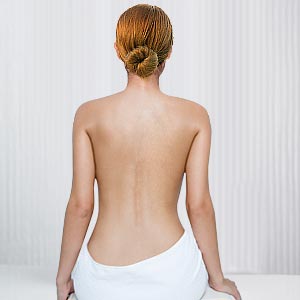
Disc is a protective circular shock absorbing pad between the bones of the spine in the back. The discs are responsible for cushioning the vertebrae when one jumps or runs. Disc does not actually 'slip' but does get ruptured. This condition of slipped disc is also known as a herniated or prolapsed disc.
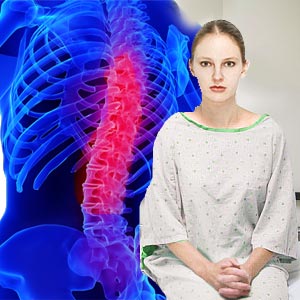
The discs are made of gel-like substance which is soft and fibrous yet tough. In case of a slipped disc, the gel inside bulges and protrudes outward from in between the vertebrae. The leaky jelly substance places pressure on the spinal cord or on a single nerve fiber. Slipped disc can cause pain either around the damaged disc or anywhere along the area controlled by that nerve.
Where does slipped disc occur?
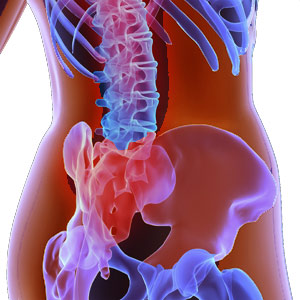
A slipped disc occurs most often in the lumbar region of
the spine, particularly at the L4-L5 and L5-S1 levels. L stands for Lumbar and
S for Sacral. This is mainly because lumbar spine carries most of the body
weight.
Why does slipped disc occur?
- Irregular lifestyle including lack of exercise and
inadequate.
- Natural biochemical changes which can occur as the
body ages can cause discs to gradually dry out affecting disc strength.
- Bad posture and incorrect body mechanics and hard
physical labor can place additional stress on the spine.
- Improper lifting, twisting or turning, excessive
strain and sudden forceful trauma can cause slipped disc although such
cases are rare.
- Above all, age and associated degeneration that
results in loss of elasticity of the discs and supporting structure lead
to slipped disc condition.
Daily wear and tear, injury, heavy lifting or twisting can all contribute to disc herniation. A slipped disc can develop suddenly or gradually over weeks or months.
At what age does slipped disc occur?
Most often slipped disc in the lower back is observed between the ages 30 to 50. People between these ages are
vulnerable as the elasticity and water content of the nucleus normally decrease
with age. In case of cervical vertebrae around the neck, slipped discs are seen
between the ages 40 to 60.
Symptoms of slipped disc
A slipped disc produces serious pain in the back or neck areas. Numbness and weakness, tingling or pain in the
shoulder, neck, arm and hand, pain in the buttocks, back, legs or feet,
numbness and tingling around the anus and genitals and pain down the back of
each leg from the buttocks to the knees and pain with movement, straining,
coughing or doing leg raises are all symptoms of the slipped disc condition.
Slipped disc diagnosis
A physical examination is done and history including other illnesses, prior spine problems and injuries is noted.
Diagnostic tests of blood and urine are not done immediately though they may be
done at a later stage if basic treatments fail and to improve the condition of
the patient.
Imaging studies are often taken and they include X-rays, CT scans in case of prolapsed disc and MRI studies of the back. Bone scans help to detect infection, fractures and tumors and are done for emergency evaluation.
Treatment for slipped disc
Treatment options for slipped disc vary on the
seriousness of the condition and the age of the patient. The health care
provider very often prescribes bed rest and limited activity for several days.
Gradual increase in activity is suggested over a period of time. Complete bed
rest is not recommended as the chances are patients with back pain recover more
quickly with normal activities such as lifting, bending with minimal strain.
Treatment with ice and cold packs in the early stages of injury is common. It is switched to heat later. In case the pain and symptoms are not caused by sudden injury, heat may be used in the early stages as well.
Physical therapy in the form of exercise and massage should be helpful. It is always advised to consult the doctor before resuming any stressful activity.
As for medications for slipped disc, anti-inflammatory medications are recommended. In addition, medicines that relax the surrounding muscles tightness and spasms are also advised for some patients. Steroids are sometimes prescribed for a short duration.
If the above measures are not successful, then surgery is the last option that is considered. Surgery is advised only in extreme cases or in those with high potential for permanent nerve damage. Time is the best healer and many cases are resolved with basic spinal care.
Prevention
Although aging is inevitable, certain healthy
modifications in lifestyle can help prevent the occurrence of slipped disc. Regular
exercise decreases hardening and early breakdown of discs and helps in
improving the overall strength of the supporting muscles as well.
It is essential to use proper techniques while performing strenuous exercises inclusive of lifting. Lifting should be done with the legs performing the task and not the back. Spinal braces are sometimes advised during heavy lifting. However, never be encouraged to exceed the safe lifting limits even with a spine brace.
Top of the Page: Slipped Disc
Tags:#slipped disc
 Slipped Disc
 Knee Replacement for Women
Rheumatoid Arthritis
Osteoarthritis
Drop Wrist Deformity
Ankylosing Spondylitis
Spinal Decompression
Scoliosis Treatment
Cause of Osteoporosis
Osteopenia
Bone Density Test
Disc Herniation
Tennis Elbow Symptoms
Restless Leg Syndrome Symptoms
Other health topics in TargetWoman Women Health section:
General Women Health
Women Health Tips - Women Health - key to understanding your health ...
Cardiac Care
Women's Heart Attack Symptoms - Identify heart problems...
Skin Diseases
Stress Hives - Red itchy spots ...
Women Disorders
Endocrine Disorder - Play a key role in overall wellbeing ...
Women's Reproductive Health
Testosterone Cream for Women - Hormone replacement option ...
Pregnancy
Pregnancy - Regulate your lifestyle to accommodate the needs of pregnancy ...
Head and Face
Sinus Infection - Nearly 1 of every 7 Americans suffer from ....
Women and Bone Care
Slipped Disc - Prevent injury, reduce pain ...
Menstrual Disorders
Enlarged Uterus - Uterus larger than normal size ...
Female Urinary Problems
Bladder Problems in Women - Treatable and curable ...
Gastrointestinal Disorders
Causes of Stomach Ulcers - Burning feeling in the gut ...
Respiratory Disorders
Lung function Test - How well do you breathe ...
Sleep Management
Insomnia and Weight Gain - Sleep it off ...
Psychological Disorders in Women
Mood swings and women - Not going crazy ...
Supplements for Women
Women's Vitamins - Wellness needs...
Natural Remedies

Natural Diuretic - Flush out toxins ...
Alternative Therapy
Acupuncture Point - Feel the pins and needles ...
Women Health Directory
Top of the Page: Slipped Disc
Popularity Index: 100,978