
Chinese Food Recipe

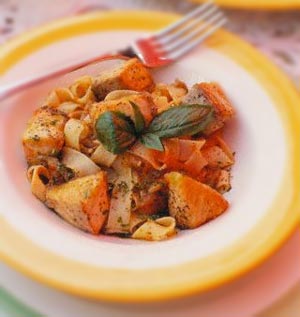
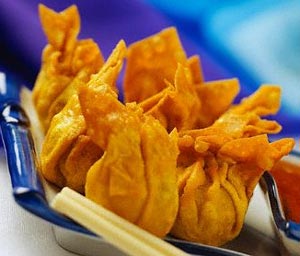
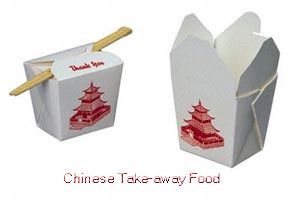
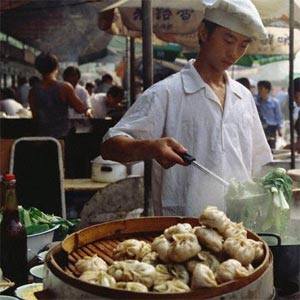
Chinese cooking aims at satisfying the tongue as well as the eyes, nose and the imagination. Cooking in China is likened to an art. Color, aroma and fragrance - all three assume pride of place in Chinese cuisine. Colorful ingredients ranging from light green to dark green and white, black, red, yellow and caramel color are regularly used. Aesthetic presentation is an important aspect to Chinese food. This article takes you through the various regional cooking styles of China. Look up our tips on Chinese food recipes.
Chinese Food
Nutrition is also given due importance in various aspects of Chinese cooking. Use of medicinal plants such as scallions, fresh ginger root, garlic,
dried lily buds and tree fungus is common. The Chinese belief that food and medicine share the same origin has permeated through the Chinese cooking procedures. One third of meat-based dishes contain vegetable ingredients whereas one third of vegetable preparations contain meat. Water is expected to make up seven-tenths the volume of a soup serving. Adhering to the proportions of ingredients in soups and dishes ensures a meal with good nutritive value.
With its low calorie and low fat dishes, it is little wonder that Chinese cuisine is so popular the world over. Chinese food recipes do not carry many deserts. One of the reasons is that the Chinese tend to end their evening meal with a fruit unlike Westerners who prefer a dessert. Another reason is that chilled deserts never found place in Chinese cuisine because of the lack of a refrigerator in many homes. This is also why most Chinese cake recipes insist on steaming instead of baking - not many homes possess ovens. But the Chinese deserts are popularly eaten on Moon Festival and other special days.
Chinese food is traditionally eaten with Chopsticks. So if you are planning to go to China, you would do well to go to a local Chinese restaurant and practice using chopsticks. The use of chopsticks is attributed to the teachings of Confucius. The use of knife and fork was considered violent and the chopsticks represented gentleness and benevolence.
Chinese Food Styles
Chinese food can be sub divided into the following regional styles:
Cantonese
Hunan
Hakka
Mandarin
Shanghai
Szechwan
Crispy fried noodles with Beef and vegetables, Shark Fin soup, Sweet and sour pork and Deep fried crispy chicken are popular Cantonese Chinese food recipes. Cantonese cooking involves steaming, stir frying and deep frying to bring out the best flavor from the ingredients. Mild and simple sauces are the essence of Cantonese cooking. Use of garlic, spring onions, sugar, salt, soy sauce, rice wine, corn starch and oil is essential for most dishes.
Cantonese food is relatively milder than Szechwan and Guangzhou food. Traditional soups and broths prepared by simmering meat and other ingredients for several hours and spiked with Chinese herbal medicines. Dim sum is a light cuisine meal that includes buns, dumplings and rice rolls and contain a variety of ingredients ranging from beef, chicken, pork, prawns and vegetables. Dim Sum dumplings are either steamed or deep fried.
The Pekingese style of Chinese cooking has a sweeter taste to the dishes. The Peking Duck, roast suckling pig with Jellyfish and Ham in Honey Sauce are popular among this style of Chinese cuisine. The Shanghai style of Chinese food incorporates many vegetable preparations such as Bean Curd, Cold Noodles with Seven Sauces and Vegetarian Goose.
Tips for Chinese food recipes
Drain tofu before using as it allows the tofu to absorb the flavors in the dish. Marinate fresh meat. Vary the meat and vegetables in a dish so that it brings variety of flavors, colors and textures. Wash and drip-dry leafy vegetables as this will prevent them from being soggy at the time of stir-frying.
Cut the meat into uniform pieces so that they will cook more evenly. Cook the toughest and thickest vegetables first during stir-frying.
Stir fry vegetables separately if you are not sure of the order in which to cook them. Over cooking robs them of their texture and nutritive value.
Chinese food recipe - Cantonese Sweet and Sour Pork
½ cup carrots peeled and sliced
½ cup pineapple chunks
½ cup green bell pepper cut into cubes
½ teaspoon baking powder
½ cup all purpose flour
1 tablespoon beaten egg
1-teaspoon oil
Lean boneless pork chops
¼ teaspoon salt
1 teaspoon dry sherry
A pinch of black pepper
Sauce
¾ cup sugar
1/3 cup ketchup
¼ teaspoon salt
2/3 cup water
½ cup vinegar
1 tablespoon light soy sauce
Oil for frying
Boil carrots, green peppers for a minute. Drain and keep aside with pineapple chunks. Mix flour, part of the cornstarch, baking powder, egg mixture and oil in a bowl and stir till it becomes a smooth paste sans lumps. Stir fry the pork with sherry, salt and pepper and keep aside. Dip marinated pork pieces into the batter and carefully drop into hot oil that has been kept on the wok for frying. Deep fry until mildly golden brown. Cool them.
Make the sweet and sour sauce by combing all the ingredients and bringing to a boil. Add the vinegar only after the boiling. Cook till the sauce is thick. Add parboiled vegetables and pineapple to the sauce. Fry pork pieces again for extra crispiness. Arrange pork pieces in a deep dish and pour sweet and sour sauce over them.
Top of the Page: Chinese Food Recipe
Tags:#chinese food #chinese food recipe #Chinese cooking #Chinese cuisine
 Foodie in You
 Chicken Breast Recipes
Easy Salad recipes
Chicken Salad Recipe
Asian Food Recipes
 Filipino Cuisine
 Japanese Food Recipe
Chinese Food Recipe
Chinese Sauce
Beijing Duck
Dim Sum
Malaysian Food
Thai Food Recipe
Teriyaki Sauce
American Food Recipes
Cajun Food Recipe
Mexican Food Recipe
European Food Recipes
 Tiramisu Cake
 German Food
French Cuisine
Quiche Recipe
Mediterranean Recipe
Frittata Recipe
Greek Food
Type of Pasta
Pasta Salad Recipe
Tartar Sauce
Marinara Sauce
Jamaican Food
Moroccan Food
Top of the Page: Chinese Food Recipe
Popularity Index: 104,444