
Chronic Schizophrenia

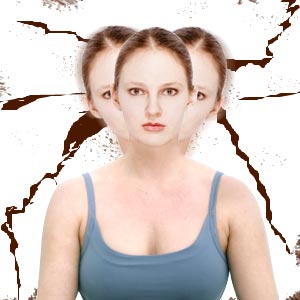
Schizophrenia is a mental illness that can incapacitate and even kill a person. Schizophrenia is not the same as 'split personality' or 'multiple personality' disorder. Instead, it refers to disruption of the usual balance of emotions and thought process.
About 2.4 million schizophrenics live in America estimates the National Institute of Mental Health. Approximately 1% of the entire population of the world is schizophrenic.
Schizophrenia results in hallucinations, delusions and disordered thinking and behavior. Schizophrenics withdraw from both people and activities around them. Instead, they seem to retreat to an inner world marked by psychosis.
Causes of Schizophrenia
Although the exact cause of schizophrenia is not
clearly established, there could be a combination of factors that can differ
from person to person. Some well known causes include genetics, changes in the
brain chemistry, brain damage before or during birth, stress, family problems,
childhood deprivation and substance misuse, which is known as drug induced
psychosis. Although some may be born with a genetic predisposition toward
schizophrenia, stress and life experiences can trigger the onset of symptoms.
Signs and symptoms of Schizophrenia
About one in hundred are diagnosed with schizophrenia and two to four
people per thousand are schizophrenic worldwide. Symptoms of schizophrenia can
begin at any age although it is most likely to develop between the ages 20 and
30. Schizophrenia affects young men and women equally although young men tend
to get diagnosed earlier than women. The most prominent symptoms of
schizophrenia include
- Delusions such as belief that there is a
conspiracy hatched against him/her
- Disordered thoughts
- Hallucinations, that is seeing or hearing especially
voices that does not exist
- Incoherent speech
- Lack of emotions
- Angry outbursts
- Catatonic behavior
- A persistent feeling of being watched over
- Social isolation
- Clumsy and uncoordinated movements
Whereas schizophrenia can range from mild to severe; there are people who may be able to go about their daily life reasonably well while others may require specialized intensive treatment.
Over a period of time it would become difficult to function in daily life with schizophrenia. Relationships could get troubled due to inability to read social cues and other's emotions.
Acute and chronic schizophrenia
Acute schizophrenia is the one that is most
common. It occurs in a young adult who has been previously healthy and who
exhibits increasingly odd behavior over a short span of time. Symptoms of acute
schizophrenia include
-
Auditory hallucinations
-
Irrational beliefs or disordered thoughts
-
Lack of insight and illogical and incoherent
thinking
-
Delusions of persecution
-
Suspiciousness
-
Flat mood and mood disturbances and swings
including depression, anxiety, irritability and euphoria
-
Inappropriate emotional responses, for example,
laughing at sad news.
Schizophrenics generally are aware of the time and place they are in but sometimes they may become confused due to disordered thoughts. They could lack insight into their condition and it would become difficult to organize them.
Schizophrenics suffer a delusion that they are under control of another influence. They feel that thoughts are being put into or taken out of their mind. Unfortunately, a schizophrenic never knows he/she is experiencing such symptoms of illness.
Chronic schizophrenics exhibit certain negative symptoms including:
- Social withdrawal
- Underactivity and slowness
- Lack of interests and conversation
- Odd behavior
- Neglect of appearance and
- Depression
It is not necessary that all chronic schizophrenics should experience these negative symptoms. As such chronic schizophrenia is a longer term state and it is characterized by lack of drive, underactivity and social withdrawal
Chronic schizophrenics may do nothing for long periods of time, or engage in purposeless activity repeatedly. Their self neglect is quite marked. Hallucinations and delusions are common in acute condition.
Hereditary schizophrenia
Even extensive research has not been able to clearly reveal if schizophrenia can be hereditary as the causes still remain generally unknown. Schizophrenia is caused by a combination of both genetic and social factors and much depends on the individual's circumstances. While genetic makeup can put a patient at a higher risk, a stressful life can trigger possible symptoms of the illness.
Although there is 'no gene for schizophrenia,' a family history of the illness can increase the risk of being affected. Schizophrenia is seen to run in families and it is established that
-
the risk rises to 3 % if a grandparent had the
illness
-
the risk is as high as 10 % if one parent was
affected by the illness
-
the risk rises to 40 % if both the parents had
the illness
Types of schizophrenia
Schizophrenia types depend largely on the
specific symptoms a person experiences. Since the symptoms are bound to change
over time, it is possible to have more than one type of schizophrenia in a
patient's lifetime.
Paranoid schizophrenia is the most common form of the illness and the primary symptoms include grandiose delusions and hallucinations. Disorderly thought, disorganized behavior and affective flattening are some of the prominent symptoms. Auditory hallucinations of hearing voices and a strong belief that others are deliberately cheating, harassing, poisoning, spying or plotting against them indicate paranoid schizophrenia.
Disorganized schizophrenia results in unusual thought processes. Garbled speech, illogical thoughts, 'thought blocking,' where a person stops abruptly in the middle of a thought and unintelligible words or 'neologisms,' are symptoms of disorganized type.
Catatonic schizophrenia can be clumsy and uncoordinated behavior and involuntary movements and unusual mannerisms. Repetitive motions, which could be catatonic in extreme cases, may result. Catatonia as such, is a state of immobility and unresponsiveness which is very rare these days.
Residual schizophrenia seems to occur in those with long term schizophrenia. These patients exude negative symptoms such as flat effect, with immobile facial expressions, lack of pleasure in life, disability to any planned activity and infrequent talk even when forced to interact. They lack any positive symptoms and neglect basic hygiene and need help in performing everyday life activities as well.
Undifferentiated schizophrenia is when the patient exhibits symptoms not consistent with any other form of the illness.
Treatment for schizophrenia
Schizophrenia is usually treated
by a professional psychiatrist and a team consisting of psychologist, social
worker and psychiatric nurse.
Medications are considered the cornerstone in the treatment of schizophrenia. But some medications for schizophrenia could have serious and rare side effects. A medication regimen that would ideally suit the patient with fewer side effects has to be chalked out.
Anti psychotic mediations are normally prescribed to treat schizophrenia. These can control the neurotransmitters in the brain. Anti psychotic medications are of two main types:
- Conventional or typical anti psychotics
- New generation, atypical anti psychotics
The conventional anti psychotics have remained effective traditionally in managing positive symptoms of schizophrenia. They could have potentially severe neurological side effects. The newer atypical antipsychotics are effective in managing both positive and negative symptoms. But these pose a risk of metabolic side effects like weight gain, diabetes and high cholesterol.
Possible side effects of antipsychotic medications:
-
Increase in risk of diabetes
-
Weight gain
-
High cholesterol
-
High blood pressure
-
Changes in white blood cell count
-
Serious health problems in older adults
-
Some anti psychotic medications can pose
dangerous interactions with other substances as well.
Incase a medication does not work well for a patient and he/she has intolerable side effects, the treating doctor recommends combining and switching of different medications and sometimes adjusts dosage. The danger here is that if one stops taking medications, the relapse of psychotic symptoms could occur. Anti psychotic medications needs to be tapered off and cannot be stopped abruptly.
Psychosocial treatments: Psychotherapy and psychosocial treatments are important in treatment of schizophrenia in addition to the medications. These treatments include in their purview:
-
Individual therapy provided by a skilled mental health provider.
-
Family therapy provides education and support to the families of the patient. This
way the family members can understand the symptoms better and recognize
stressful situations which may cause relapse. The family can also communicate
better with the patient and help reduce the distress.
- Above all, rehabilitation to live independently is the key of recovery from schizophrenia. The
schizophrenic should learn skills as good hygiene, cooking and better
communication. There are communities that help schizophrenic with jobs, housing
and self help during times of crisis.
Treatment for schizophrenia is not without its challenges. As such, it is difficult for schizophrenic to stick to their treatment plans. They may assume that medications is not necessary or forget to take the medications or attend therapy sessions.
Many schizophrenics smoke and they may require an additional dosage of medication as nicotine interferes with medications. Alcohol and drug abuse can worsen schizophrenia symptoms. A positive family intervention should help maintain periods without illness. It can also help with social skills and psychological therapy allowing schizophrenics to lead productive and enjoyable lives.
Top of the Page: Chronic Schizophrenia
Tags:#chronic schizophrenia #treatment of schizophrenia #schizophrenia type #hereditary schizophrenia #acute schizophrenia
Antidepressants and Weight Gain
Anger Management Techniques
Women and Substance Abuse
Mood swings and women
Symptom of Depression
Bipolar Disorder
Chronic Schizophrenia
Women with Epilepsy
Aphasia
Obsessive Compulsive Disorder
Hypochondria Symptoms
Overcome Emotional Eating
Other health topics in TargetWoman Women Health section:
General Women Health

Women Health Tips - Women Health - key to understanding your health ...
Cardiac Care
Women's Heart Attack Symptoms - Identify heart problems...
Skin Diseases
Stress Hives - Red itchy spots ...
Women Disorders
Endocrine Disorder - Play a key role in overall wellbeing ...
Women's Reproductive Health
Testosterone Cream for Women - Hormone replacement option ...
Pregnancy
Pregnancy - Regulate your lifestyle to accommodate the needs of pregnancy ...
Head and Face
Sinus Infection - Nearly 1 of every 7 Americans suffer from ....
Women and Bone Care
Slipped Disc - Prevent injury, reduce pain ...
Menstrual Disorders
Enlarged Uterus - Uterus larger than normal size ...
Female Urinary Problems
Bladder Problems in Women - Treatable and curable ...
Gastrointestinal Disorders
Causes of Stomach Ulcers - Burning feeling in the gut ...
Respiratory Disorders
Lung function Test - How well do you breathe ...
Sleep Management

Insomnia and Weight Gain - Sleep it off ...
Psychological Disorders in Women
Mood swings and women - Not going crazy ...
Supplements for Women
Women's Vitamins - Wellness needs...
Natural Remedies

Natural Diuretic - Flush out toxins ...
Alternative Therapy
Acupuncture Point - Feel the pins and needles ...
Top of the Page: Chronic Schizophrenia
Popularity Index: 102,379