
Vitamin Supplement

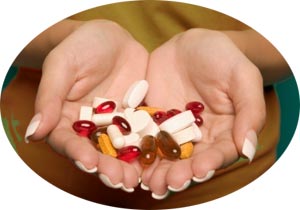
Vitamins and minerals cannot be made in the body and therefore they should come from food. A healthy varied diet usually supplies the body with all the vitamins and minerals. Often since the diet is deficient in key nutrients, people take vitamin supplements. Millions of dollars are being spent every year on vitamin supplements. What are the benefits of vitamin nutrition supplements? Read up on liquid vitamin supplements.
Vitamin supplement
A human body needs small but steady amounts of vitamins and minerals for normal growth, function and good health. Vitamins and minerals are called micro nutrients. Vitamins help the body to release energy from food that is eaten. Vitamin does not provide the body with energy by itself. Some vitamins contain nitrogen and some do not.
Some vitamins are produced in animals and some others are found only in plants. Different vitamins perform different functions. Vitamin nutrient is needed for a variety of biological processes, like growth, digestion and nerve function. There are times when a body particularly needs vitamin and mineral supplements. People who benefit from vitamin and mineral supplements are pregnant and lactating women, people on low calorie diets and elderly persons.
Women with malabsorption problems or particular food allergies are likely to benefit from vitamin nutrition supplements. Persons who are on a skewed diet or women suffering excessive bleeding may need vitamin supplements. A prescribed vitamin supplement or nutrient supplement helps to supply the missing vitamin or the vitamin not consumed in sufficient quantity in a person's diet. Vitamin supplements are generally divided into two categories:
- Water soluble vitamins (Vitamin B and Vitamin C)
- Fat soluble vitamins (Vitamin A, D, E and K)
A simple blood test can reveal the level of nutrients in one's body. It is better to undergo the test, and then get a medical opinion to find out whether one has a real deficiency that requires a vitamin supplement. A woman needs extra nutritional requirements during pregnancy and lactation.
Prenatal vitamin supplements contain nutrients at levels recommended for pregnant woman. Increased amounts of folic acid, iron, calcium and vitamin C, which improve iron and calcium absorption, should be present. Folic acid has been found to reduce neural tube defects in newborns and therefore is extremely important prior to becoming pregnant.
Vitamin nutritional supplements help in prevention of heart diseases. Supplements should be used in conjunction with the guidelines concerning diet and lifestyle restrictions.
- Magnesium is essential for those who have suffered heart attack when spasms of the arteries are at fault.
- Vitamin E is a powerful antioxidant that improves blood circulation and is a blood thinner. This helps to reduce clots, reduce cholesterol and saturated fat that clog arteries.
- Vitamin C helps to fight arteriosclerosis, protects the artery walls and hinders clotting.
- Selenium is an important antioxidant that helps protect against heart attacks
- Chromium helps to supplement HDL levels
- Potassium helps to maintain regular heart rhythm and lower cholesterol.
- Garlic is beneficial to the heart as it promotes blood circulation and aids in reducing blood pressure.
- Glucosamine plays an important role in the formation of heart valves.
- Folic acid with vitamin B 6 and B 12 help to lower homocysteine levels. Deficiency of folic acid in the heart muscle leads to heart disease.
Liquid vitamin supplement
Liquid vitamins provide essential vitamins at many times the bio-available levels than in normally found in traditional tablets and capsules. The popular claim with liquid vitamin supplements is that the body can absorb and digest up to 90% in fifteen to twenty minutes whereas it can absorb no more than 20% of the nutrition in vitamin supplement pills. Liquid vitamins can be supplemented for providing:
- Improved immune response
- Healthier metabolism and hormone balance
- Healthier energy levels
- Healthier hair, nails, bones, gums and teeth
- Enhancing the natural healing process in the body
- Providing protection against common vitamin deficiencies, which can cause numerous health conditions.
Suggestions for liquid vitamin usage:
- Shake well before using.
- It is recommended to take one tablespoon of 15 ml once daily or otherwise advised by the physician.
- Liquid vitamin is best taken 20 minutes before or one hour after a meal.
- The advantage of liquid vitamin is that it can be mixed with juice or water and taken.
- It is better to refrigerate the product on opening.
Risks of vitamin supplement usage
- It is always advisable to seek the help of a therapist/nutritionist before embarking on a choice of vitamin supplement.
- Certain vitamin supplement could interfere with other medications. Therefore it is becomes necessary to discuss with the doctor before taking a vitamin supplement.
- Excess intake of supplemental vitamins leads to possibility of toxicity and therefore should be avoided. This is because fat-soluble vitamins are stored in the liver if found in excess. This stockpiling of vitamins could lead to toxic results. Again by taking a vitamin supplement when the body already has an adequate supply, one can run the risk of toxicity.
- Caution should be exercised in taking supplements because excess dosage can adversely increase other health risks. Vitamin supplements taken in excess can even become poisonous. For instance, high Vitamin A intake could harm auto-immune activity. Excess zinc dosage may lead to detrimental changes in blood cholesterol levels. Large dose of fish oil can lead to decreased blood clotting. Iron toxicity is common. Even a small excess amount can cause gastrointestinal upset, nausea and black bowel syndrome. Severe toxicity can even result in death.
Top of the Page: Vitamin Supplement
Tags:#vitamin supplement #vitamin nutrition supplement #vitamin and mineral and supplement #nutritional supplement vitamin #liquid vitamin supplement
Women's Vitamins - Wellness needs...
Vitamin Supplement - Supplementing good health ...
Symptoms of Vitamin D Deficiency - Sunshine Vitamin ...
ALA Supplements - Multi-tasking supplement ...
Anti Aging Natural Supplements - Fighting age lines ...
Fiber Supplements - Providing roughage ...
Whole Food Vitamins - Natural micronutrients ...
Low Carb Diet Supplement - Do they aid weight loss ...
Whey Protein Benefits for Women - Popular nutritional supplement ...
Amino Acids Supplements - Building blocks of protein ...
Creatine Supplements - Improved muscle mass ...
Joint Supplements - Improve overall mobility ...
Zinc Supplements - Vital trace element ...
HGH Supplements - Artificial growth supplement ...
Amino Acid Supplements - Aid in enzyme production ...
Selenium Supplements - Vital trace material ...
Liver Supplements - Overworked often abused organ ...
Other health topics in TargetWoman Women Health section:
General Women Health

Women Health Tips - Women Health - key to understanding your health ...
Cardiac Care
Women's Heart Attack Symptoms - Identify heart problems...
Skin Diseases
Stress Hives - Red itchy spots ...
Women Disorders
Endocrine Disorder - Play a key role in overall wellbeing ...
Women's Reproductive Health
Testosterone Cream for Women - Hormone replacement option ...
Pregnancy
Pregnancy - Regulate your lifestyle to accommodate the needs of pregnancy ...
Head and Face
Sinus Infection - Nearly 1 of every 7 Americans suffer from ....
Women and Bone Care
Slipped Disc - Prevent injury, reduce pain ...
Menstrual Disorders
Enlarged Uterus - Uterus larger than normal size ...
Female Urinary Problems
Bladder Problems in Women - Treatable and curable ...
Gastrointestinal Disorders
Causes of Stomach Ulcers - Burning feeling in the gut ...
Respiratory Disorders
Lung function Test - How well do you breathe ...
Sleep Management

Insomnia and Weight Gain - Sleep it off ...
Psychological Disorders in Women
Mood swings and women - Not going crazy ...
Supplements for Women
Women's Vitamins - Wellness needs...
Natural Remedies
Natural Diuretic - Flush out toxins ...
Alternative Therapy
Acupuncture Point - Feel the pins and needles ...
Top of the Page: Vitamin Supplement
Popularity Index: 100,547