
Spinal Decompression

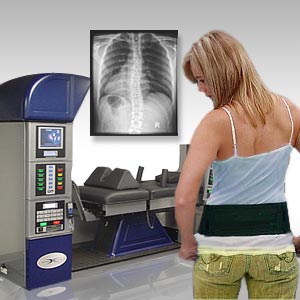
Back pain can be a debilitating experience. Numbness, tingling, weakness, pain and decreased function of upper and lower limbs can be caused by back pain and spinal injury. The pain affects work, sleep and disturbs normal daily activities.
Spinal decompression is a new revolutionary line of technology that is non-invasive and non-surgical, a boon to patients suffering for back and neck pain. It is primarily used to treat disc injuries in the neck and lower back. This procedure is quite safe as only FDA approved equipment are used in this treatment.
Spinal decompression - How it works?
This is an automatic traction procedure that involves stretching the spine. Mechanical decompression works
slowly and surely stretching the spine and taking off the pressure from
compressed discs and vertebrae in the process. Computer assisted treatment
technique is performed by a physician in a computerized spinal decompression
table. Here the process can be customized according to individual requirements.
Modern versions of this therapy use Vax-D, DRX9000 and Accu-Spina systems which are state-of-the-art technologies. Cox Technic is again a time tested decompression method used primarily by chiropractors.
Distraction forces are applied to the spinal structure in a precise and graduated manner. The spinal vertebrae are gently separated from each other creating a 'vacuum effect'. It is also known as negative intra-discal pressure.
In the process the strength of the spine is modified and the relocated disc is returned to its original position. When pressure is taken off the spine, effective transference of oxygen, nutritional fluids and water happens and the spinal injuries in turn cure fast.
It is necessary to undergo the treatment for a period of five to seven weeks with each session lasting for half an hour to forty five minutes.
Spinal decompression - conditions treated
This procedure is used to treat back and neck pains caused by conditions such as degenerated disc, herniated
bulging disc, spinal stenosis, spinal arthritis and sciatic leg ache.
Herniated disc is perhaps the most common spinal condition treated. Decompression takes the pressure off the damaged discs and enables the bulge shrink back to the original size.
Degenerative disc disease is yet another common condition treated with decompression therapy. Nerve compression caused by the vertebral bodies moving closer together is eliminated and painful symptoms reduced in the process.
Facet joint syndrome causes pain due to arthritic changes in the vertebral bones. Although decompression helps to create more space between the vertebrae reducing the pain to some extent, it cannot promise permanent relief for this condition.
Who cannot undergo spinal decompression?
This therapy is not recommended for pregnant women and those with tumors, fractures, osteoporosis, bone cancer,
hemorrhages and other ailments and infections. Patients with metal inserts in
the spine are also not fit for spinal decompression therapy.
It is recommended to stay fit and reduce the chances of being obese post spinal decompression therapy. Hence, expert nutritional advice is given to enable patients maintain the potency and suppleness of the muscles to a certain extent.
Spinal decompression - Pros and Cons
The biggest advantage of spinal decompression is that there is no surgery here. And hence, no discomfort, no bed rest as with surgery and it costs much less. Spinal decompression should cost anywhere between $100 to $200 per visit and even if it takes about 20 or so visits to achieve the goal, it should cost essentially between $2000 to $4000, way below cost of a surgery.
For a person who has tried other treatment methods including chiropractic and physical therapies and drugs, or a failed surgery, spinal decompression may be the only treatment of choice.
Spinal decompression may be non-invasive and non-surgical but it is not without risks. Adequate physical and diagnostic examinations including X-rays, MRI and others may be needed before spinal decompression can be performed. It is advised to consult with the primary care doctor before embarking on any treatment options like spinal decompression.
Top of the Page: Spinal Decompression
Tags:#Spinal decompression
 Slipped Disc
 Knee Replacement for Women
Rheumatoid Arthritis
Osteoarthritis
Drop Wrist Deformity
Ankylosing Spondylitis
Spinal Decompression
Scoliosis Treatment
Cause of Osteoporosis
Osteopenia
Bone Density Test
Disc Herniation
Tennis Elbow Symptoms
Restless Leg Syndrome Symptoms
Other health topics in TargetWoman Women Health section:
General Women Health

Women Health Tips - Women Health - key to understanding your health ...
Cardiac Care
Women's Heart Attack Symptoms - Identify heart problems...
Skin Diseases
Stress Hives - Red itchy spots ...
Women Disorders
Endocrine Disorder - Play a key role in overall wellbeing ...
Women's Reproductive Health
Testosterone Cream for Women - Hormone replacement option ...
Pregnancy
Pregnancy - Regulate your lifestyle to accommodate the needs of pregnancy ...
Head and Face
Sinus Infection - Nearly 1 of every 7 Americans suffer from ....
Women and Bone Care
Slipped Disc - Prevent injury, reduce pain ...
Menstrual Disorders
Enlarged Uterus - Uterus larger than normal size ...
Female Urinary Problems
Bladder Problems in Women - Treatable and curable ...
Gastrointestinal Disorders
Causes of Stomach Ulcers - Burning feeling in the gut ...
Respiratory Disorders
Lung function Test - How well do you breathe ...
Sleep Management

Insomnia and Weight Gain - Sleep it off ...
Psychological Disorders in Women
Mood swings and women - Not going crazy ...
Supplements for Women
Women's Vitamins - Wellness needs...
Natural Remedies

Natural Diuretic - Flush out toxins ...
Alternative Therapy
Acupuncture Point - Feel the pins and needles ...
Women Health Directory
Top of the Page: Spinal Decompression
Popularity Index: 100,645