
Feminine Hygiene

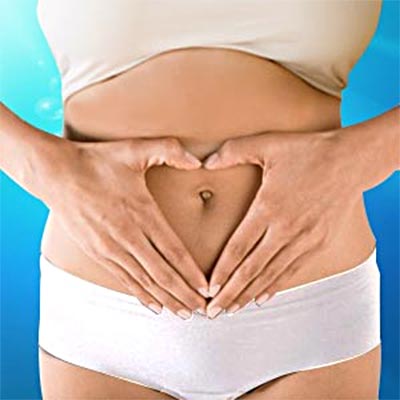
The terms 'feminine hygiene' were being used in the US in the 1930s to mean birth control. In present times, these two terms are employed in their euphemistic sense to mean 'personal care' products such as sanitary napkins, towels, tampons and menstrual cups and feminine wipes that are used during menstruation, vaginal discharge etc.
Proper feminine hygiene is a critical part of overall health and wellness of women. In fact many of the complications that result during pregnancy and childbirth are attributed to poor vaginal hygiene.
Body odors
Puberty is the time all kinds of changes are noticed in the body. There are a wide variety of deodorants,
douches and feminine sprays or wipes available in the market to assist in
keeping the vaginal area smelling clean and fresh, by reducing moisture and
controlling odor.
However, there are times when an infection like 'bacterial vaginitis' causes an unpleasant fishy odor. Odors caused by vaginal infections should be treated with prescription medication rather than by a deodorant spray that covers it up. It is imperative that the vagina be kept clean. Washing daily with a mild soap and plenty of warm water is the basic trick. Showering in warm water during the periods should help reduce menstrual cramps and give reassurance of cleanliness.
Feminine sprays and deodorants are heavily perfumed and can lead to allergic reactions. In fact the vagina has its own natural cleaning system and flushes out bacteria. There is no need for external chemical use to help clean it. The term douching is derived from the French word for 'wash' referring to vaginal wash with prepackaged mix of fluids. But douching should never be done without a doctor's advice. It can cause allergic reactions, irritation and even infections in the vagina.
Menstruation and personal hygiene
Interestingly, it is estimated that most women experience nearly about 500 menstrual cycles or about 2000
period days during a span of years that lasts approximately half the life.
During menstruation she should change the napkins or tampons frequently, bathe daily and wear clean clothes to avoid semblance of any smell. Again it should be a wise idea to keep a spare pair of inners in the backpack to change in case she happens to soak through the pad or tampon. Here are some hygiene tips that can help sail through the challenging monthly cycle comfortably:
- It is essential that she finds the best fit in
sanitary pads and napkins. Shops store thin, long, contoured and winged
versions of such pads along with those meant for night time use or light
days. Some napkins come with deodorized protection as well. Nowadays most
have sealed tapes with tabs that can be pulled off for adhesion to
undergarments.
- Napkins should be changed frequently. This would ensure
her fresher and comfortable while reducing the risk of leaks and odor at
once.
- Deodorant products should not be applied directly to
the reproductive areas. They tend to cause irritation and possibly even
cancer when used overtime in the under clothing in some women.
- Since during menstruation the cervix is stretched and
dilated mimicking childbirth, the uterus is tend to be more prone to
infection. Therefore, foreign objects and fragrances should be kept at
bay.
During perimenopause, when periods become more irregular and less predictable, you can use light pantiliner and keep a more durable pad for heavier days. There are sanitary pads that offer odor freshness and control associated with menopausal vaginal dryness.
Yeast infection is one of the most common in woman due to internal buildup of yeast. It can cause severe itching and redness and if left untreated it can cause severe health concerns. Often a cream or suppository is prescribed for treating yeast infection which takes a week to clear up.
Perspiration/sweat
During puberty, chances are that the sweat glands are overactive than before and roughly 3 million sweat glands
become more active. They begin to secrete different chemicals into the sweat
which emit a stronger smelling odor especially in the armpits, groin and on the
palms of the hands and soles of the feet and private parts.
Bathing with a mild soap in warm water will help wash away the bacteria and the smell. Wearing clean inners and clothing and socks should help. While deodorants help rid of the odor of sweat, anti perspirants actually stop perspiration by drying it up. While choosing deodorants and anti perspirants it is important to read the directions for use.
It is preferable to wear cotton undergarments especially during hot weather. If sweating is too much of a problem it is better to consult a doctor as this might be a sign to a medical problem.
Bad breath
Bad breath also called halitosis
can pose a major hazard especially during snuggle with a sweet heart or while
whispering a joke to a friend. Certain simple and effective steps can help
prevent bad breath.
As such bad breath is caused by odor producing bacteria that grow in the mouth. Lack of proper brushing and flossing can lead to accumulation of bacteria on the bits of food left in the mouth between the teeth. The sulfur compounds released by these bacteria cause the breath to smell. Sometimes pungent foods like garlic and onions and certain oils can cause bad breath. Smoking is also a major reason for bad breath.
A mouthwash which contains an antiseptic and plaque reducing agents should be chosen.
Sugar free gums and mints can only temporarily mask odors. It is imperative to brush and floss regularly to contain bad breath. Sometimes bad breath may be due to a medical problem such as sinusitis or gum diseases. Under such circumstances, consult a doctor or a dentist for advice.
Top of the Page: Feminine Hygiene
Tags:#feminine hygiene
 Pelvic Floor Dysfunction
 Bladder problems in women
Urinary Incontinence
UTI - Urinary Tract Infection
Feminine Hygiene
Yeast Allergy
Other health topics in TargetWoman Women Health section:
General Women Health

Women Health Tips - Women Health - key to understanding your health ...
Cardiac Care
Women's Heart Attack Symptoms - Identify heart problems...
Skin Diseases
Stress Hives - Red itchy spots ...
Women Disorders
Endocrine Disorder - Play a key role in overall wellbeing ...
Women's Reproductive Health
Testosterone Cream for Women - Hormone replacement option ...
Pregnancy
Pregnancy - Regulate your lifestyle to accommodate the needs of pregnancy ...
Head and Face
Sinus Infection - Nearly 1 of every 7 Americans suffer from ....
Women and Bone Care
Slipped Disc - Prevent injury, reduce pain ...
Menstrual Disorders
Enlarged Uterus - Uterus larger than normal size ...
Female Urinary Problems
Bladder Problems in Women - Treatable and curable ...
Gastrointestinal Disorders
Causes of Stomach Ulcers - Burning feeling in the gut ...
Respiratory Disorders
Lung function Test - How well do you breathe ...
Sleep Management

Insomnia and Weight Gain - Sleep it off ...
Psychological Disorders in Women
Mood swings and women - Not going crazy ...
Supplements for Women
Women's Vitamins - Wellness needs...
Natural Remedies

Natural Diuretic - Flush out toxins ...
Alternative Therapy
Acupuncture Point - Feel the pins and needles ...
Women Health Directory
Top of the Page: Feminine Hygiene
Popularity Index: 100,706