
Menstruation
Menstruation is the monthly shedding of the endometrium or uterine lining. The menstrual cycle is controlled by rise and fall of hormone levels. In anticipation of an egg that is released during a month, the uterine lining is thickened with blood, tissue and fluid. This is in preparation for fertilization and possible pregnancy. When no fertilization occurs, the egg along with the uterine lining are shed throuh the cervix and into the vagina. This menstrual period occurs nearly once every 28 - 35 days. Each time it lasts for about 3 - 7 days.
Anemia
Anemia stands for 'without blood' in Greek; When the number of red blood cells (RBC) falls below normal, Anemia is a resultant condition. Hemoglobin is an important constituent of RBC. Hemoglobin usually occurs in the range of 12 and 18 g/dL (grams per deciliter of blood). If the hemoglobin levels show a decrease, anemic conditions set in. Consequently, the various organs and tissues of the body do not receive adequate oxygen on account of the diminished oxygen carrying capacity of the blood. This impairs their normal functioning. Usually women have smaller stores of iron than men. Besides, they also lose blood during menstruation making them primary targets for anemia.
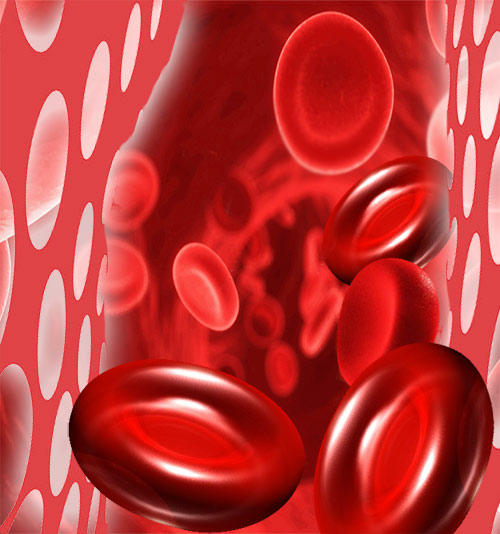
World Health Organization (WHO) defines anemia as a hemoglobin level lower than 13 g/dL in men and lower than 12 g/dL in women. It is essential to be familiar with the typical symptoms of anemia. Often anemia is misdiagnosed and left untreated. An anemic person is likely to feel extremely tired and weak. This is accompanied with dizziness and breathlessness. A person suffering from anemia tends to appear pale and experience feelings of depression. In some cases, anemia can lead to heart ailments too.
Causes of Anemia
- Serious disease or infection such as hookworm infection, bleeding piles, esophageal var ices and peptic ulcers.
- Hemorrhagic - Excessive blood loss due to surgery, menstruation or injury.
- Genetic defects lead to sickle cell anemia, Thalassemia anemia and aplastic anemia.
- Hemolytic - Excessive intravascular blood destruction where red blood cells are destroyed prematurely.
Types of Anemia
Iron deficiency Anemia - Nearly 20% adult women tend to suffer from this form of anemia. Loss of blood due to menstruation is not compensated with an iron-rich diet. Pregnancy and breast feeding can also deplete iron stores. Iron deficiency anemia is also noticed during growth spurts or internal bleeding.
Aplastic anemia - When the bone marrow does not produce sufficient quantities of blood cells, aplastic anemia is noticed. Childhood cancers such as leukemia are often responsible for this form of anemia. Other possible causes of aplastic anemia are radiation, cancer or antiseizure medications and chronic diseases such as thyroid or kidney malfunction. Treatment for aplastic anemia involves blood transfusions and bone marrow transplant. This is done to replace malfunctioning cells with healthy ones.
Vitamin deficiency anemia - Low levels of folic acid lead to faulty absorption of iron. Anemia caused due to folic acid deficiency is called Megaloblastic anemia. Pregnancy doubles the body requirements of folic acid and it is imperative that pregnant women take folic acid supplements. Good dietary sources of folate are fresh fruits, green leafy vegetables, cruciferous vegetables, liver and kidney, dairy products and whole grain cereals. Vegetables should be eaten raw or lightly cooked.Folic acid anemia is also a common problem faced by alcoholics. Vitamin B-12 deficiency can lead to a condition of Pernicious anemia. Diseases such as thyroid malfunction or diabetes mellitus can affect the body's ability to absorb vitamin B-12. This vitamin is vital in the production of hemoglobin.
Vitamin C Deficiency Anemia is a rare form of Anemia that is the result of small red cells owing to prolonged dietary deficiency of the Vitamin C.
Sideroblastic Anemia: In this anemia, the body has sufficient iron but it fails to incorporate it into hemoglobin.
Hemolytic Anemia results from high rate of destruction of Red Blood Cells (RBC) at a rate faster than the rate bone marrow can replenish them.
Thalassemia anemia - Thalassemia or Cooleys Disease is a hereditary disorder found predominantly in people of South East Asian, Greek and Italian racial groups. This form of anemia is seen in differing degrees as Thalassemia encompasses a group of related disorders that affect the human body in similar ways. The most common occurrences of Thalassemia are alpha and beta thalassemia. Alpha thalassemia occurs when there are defects in the genes that produce alpha globin, while beta thalassemia occurs when there are defects in the genes that produce beta globin. The severity of the disorder depends on how many genes are affected and the specific mutations involved. Thalassemia anemia is characterized by symptoms like jaundice, enlarged spleen, shortness of breath and facial bone deformities.
Thalassemia is a group of inherited blood disorders that affect the production of hemoglobin, a protein in red blood cells that carries oxygen throughout the body. The disorder is caused by mutations in the genes that control the production of hemoglobin.
Thalassemia anemia occurs when a person has fewer red blood cells than normal, or the red blood cells are smaller and do not contain enough hemoglobin. This can lead to a range of symptoms, including fatigue, weakness, pale skin, jaundice, and an enlarged spleen.
Treatment for thalassemia anemia may involve blood transfusions, iron chelation therapy to remove excess iron from the body, and bone marrow transplant in severe cases. With appropriate treatment and management, many people with thalassemia can lead healthy and productive lives.
Diagnosing Anemia
A complete blood count test will test for hemoglobin levels and display an anemic condition. But often anemia is a symptom whose cause lies deeper. The cause and type of anemia will determine the treatment that is needed. A stool test will help in detecting occult blood. Hemoglobin electrophoresis is a blood test that helps identify abnormal hemoglobins. Diagnosing thalassemia or sickle cell anemia becomes possible with this test.
Treating Anemia
Deficiency can be treated with supplements of iron, Vitamin B-12 and Vitamin C. Partaking an iron-rich diet can be beneficial for those suffering from nutritional deficiency anemia. Seafood, nuts, whole grains and dried fruits such as raisins, prunes and apricots are rich in iron. Ensure adequate consumption of Vitamin C as it aids and stimulates iron absorption. Try and combine citrus foods with iron-rich foods - add tomatoes to a turkey sandwich or chopped strawberries with iron-fortified breakfast cereals.
Cyclic Mastalgia
Breast pain, medically termed as cyclic mastalgia is a common complaint experienced by many women before menstruation. Particularly, young women of reproductive age suffer from pain and tenderness of breasts before the onset of periods. The pain normally starts four to five days prior to the monthly cycle, but in few cases the discomfort is experienced right from the ovulation period. The pain is usually felt in both the breasts and more in the upper quadrant portion and rarely around the nipples. The pain subsides soon after menstruation and may persist for few months to years. The incidence of cyclical mastalgia is very rare in post menopausal women. Cyclic Mastalgia is not an indicator of breast cancer as breast pain is rarely a first symptom of this cancer.
The exact cause of the mastalgia is not known, however the condition is linked to the hormonal imbalance. The fluctuation in the level of two important hormones progesterone and estrogen before the periods can lead to cyclic mastalgia. Increased level of estrogen in comparison with progesterone levels during the second half of the month is believed to cause cyclical mastalgia. Women, who take oral contraceptives or hormone replacement therapy during menopause, may be affected by cyclic breast pain. As hormones play a major role in cyclic mastalgia, the condition is also known as hormonal breast soreness. However cyclical mastalgia cannot be totally attributed to hormonal imbalance. The monthly fluid retention swells up the breasts causing pain and tenderness. Low androgen levels, and high prolactin levels also result in cyclic mastalgia. It is also interesting to note that, the severity of the mastalgia increases with the stress related issues and wrong choice of diet.
Managing cyclical mastalgia
Cyclic mastalgia is not a disease and hence does not require any treatment as such. Yet if the pain is persistent, see your gynecologist to rule out other breast related conditions. Your doctor will first assess if the pain is cyclic or non cyclic (not related to monthly cycles). Non cyclic mastalgia occurs due to trauma, breast infection or sometimes it is associated with the chest wall. Once it is confirmed that the mastalgia is cyclic, doctor may merely reassure, counsel and educate you on how to manage the condition. If the pain is severe and disrupting normal life, doctor prescribes some medication such as Tamoxifen, Danazol and Bromocriptine. You may also be given Anti inflammatory gel which is quite effective in alleviating the pain.
There are few natural remedies available for cyclic mastalgia. Following are some of the methods which can be followed at home to manage the mastalgia effectively.
1. Wear a correct fitting bra to provide right support.
2. Avoid caffeine products as caffeine contains a substance called methyxanthine which allows blood vessels to dilate. The dilated blood vessels cause swelling that results in breast soreness.
3. Restrict salt intake as excess salt in the body leads to water retention making the breasts heavy and painful.
4. Following a low fat diet and also a diet that is free of sugars will provide relief to certain extent.
5. Popping in a capsule of evening primrose oil at least for 3 to 4 months is known to give good results. Though, this method has been followed since many years, it is advisable to consult your doctor before starting the course.
6. Taking vitamin E supplements has also been shown to help with breast discomfort.
Enter your health or medical queries in our Artificial Intelligence powered Application here. Our Natural Language Navigational engine knows that words form only the outer superficial layer. The real meaning of the words are deduced from the collection of words, their proximity to each other and the context.
Diseases, Symptoms, Tests and Treatment arranged in alphabetical order:

A B C D E F G H I J K L M N O P Q R S T U V W X Y Z



Bibliography / Reference
Collection of Pages - Last revised Date: May 21, 2024