
Hip Osteoarthritis

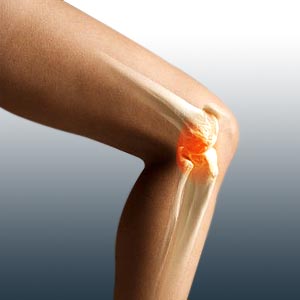
Also known as degenerative joint disease or wear and tear arthritis, osteoarthritis is the most prevalent type of arthritis. The cartilage (a protein substance present in all joints, this substance serves as a cushion in between the bones) in the joints deteriorates over time thus leading to osteoarthritis. In the United Sates, around 20 million people suffer from osteoarthritis. Before the age of 45, men are more susceptible to osteoarthritis while after the age of 55; women are more susceptible to osteoarthritis. Generally women are more at risk of osteoarthritis when compared to men.
Osteoarthritis can affect any joint in the body but it largely affects the joints of the hips, feet, knees, spine and hands. The weight bearing joints get affected the most due to osteoarthritis. Usually a single joint is affected due to osteoarthritis but if osteoarthritis sets in the finger joints, it can affect more than one joint at the same time. There is no particular cause for osteoarthritis. Osteoarthritis that occurs without any underlying cause is referred to as primary osteoarthritis, whereas osteoarthritis with an underlying cause is referred to as secondary arthritis.
Causes for osteoarthritis
Aging: Protein content of the cartilage drops and water content increases with age. This will degenerate the cartilage thus causing osteoarthritis.
Obesity: Increased mechanical stress on the joints due to excess weight can cause osteoarthritis. The knee joint, in particular, unable to take the excess weight will degenerate thus leading to osteoarthritis.
Congenital abnormalities: People who are born with abnormally shaped joints face the threat of osteoarthritis as their joints are put to undue stress thus causing early deterioration.
Injury: Any external injury can cause degeneration of the joints thus leading to osteoarthritis.
Heredity: In remote cases heredity can be a cause for osteoporosis
Symptoms of osteoarthritis
Symptoms for osteoarthritis vary from person to person depending on the severity of the problem. The most commonly prevalent symptoms for osteoarthritis are:
- Tenderness/softness of the joints even when light
pressure is applied to the joint.
- Creaking/annoying feeling in the joint.
- Warmth in the joint.
- Fluid retention in few cases
- Pain in the joint while using the joint, after use of
the joint or after a prolonged period of rest of the joint.
- Bone spurs in the form of lumps occur in the joint.
- Reduced flexibility of the joint.
- Swelling of the affected joint.
- Stiffness of the joint, particularly in the mornings while you get out of the bed
and after a prolonged period of rest.
Diagnosis of osteoarthritis
X-ray: An x-ray can reveal the extent to which the joint is affected. Bone spurs and narrowing of the joints can also be identified through an x-ray.
Arthroscopy: Small incisions are made on the affected joint and a small viewing tube is placed inside the joint space to examine the damage of the cartilage and ligaments.
Blood tests: Blood tests can help exclude other diseases that can cause joint pain.
Arthrocentesis/ joint fluid analysis: Fluid from the joint is drawn using a long sterile needle. This fluid is analyzed for determining the cause for the pain.
Treatment for osteoarthritis
Rest: Rest can help the joints recover to a great extent
Weight reduction through diet control: Reducing weight can help relieve the strain on the joints thus reducing pain.
Physical therapy: Physical therapy can strengthen the muscles around the joints thus reducing the pain. Physical therapy also improves the mobility of the joint.
Medications: Medications including anti-inflammatory lotions and non-steroidal anti-inflammatory drugs are prescribed for osteoarthritis
Heat and cold treatment: Applying heat and cold packs alternately on the affected joint can relieve pain to a certain extent. While giving heat pack, do not use really hot pack; use a warm pack instead. For cold pack, use ice packs.
Limited and correct exercise: Exercises can help relieve pain, only that you should do the correct exercises and should not overdo them.
Support devices: Support device like splints, braces, walkers, canes etc can offer extra support for the affected joint.
Surgery: For patients suffering from acute osteoarthritis, surgery is the final respite. Surgery is particularly helpful for patients who have not responded to any of the above mentioned treatments.
Prevention of osteoarthritis
Osteoarthritis cannot be prevented but the pain can be prevented to a certain extent. Follow these simple but effective steps to prevent excessive pain from osteoarthritis.
- Take the prescribed medications regularly
- Eat a healthy diet comprising whole grains, fresh fruits and vegetables
- Use the right footwear
- Use support devices if recommended by your physician
- Maintain a good posture
- Do not strain unnecessarily
Hip Osteoarthritis
Osteoarthritis of the hip is the most common type of osteoarthritis as the hip is a weight-bearing joint. Degeneration of the articular cartilage (the smooth lining that covers the surface of the ball and socket joint of the hip) causes osteoarthritis of the hip. Americans are highly susceptible to osteoarthritis of the hip; 1 out of every 5 Americans is expected to develop this problem.
Causes of hip osteoarthritis
Congenital hip disease: People who are born with abnormally shaped joints face the threat of osteoarthritis as their joints face undue stress thus causing early deterioration.
Fracture of the hip: Fracture of the hip can cause problems in the alignment of the hip bones thus causing osteoarthritis of the hip
Any injury of the hip: Any external injury causing damage to the hip joint can cause osteoarthritis of the hip
Age: Wear and tear of the hip joint can cause degeneration to the surface and the alignment of the hip joint thus causing osteoarthritis of the hip.
Obesity: Excessive weight can add on to the stress to the hip joint thus causing degeneration of the hip joint thereby causing osteoarthritis of the hip.
Symptoms of hip osteoarthritis
- Stiffness in the morning as soon as you get out of the bed
- Pain in the front portion or side portion of the thigh and in the groin area
- Restriction in motion
- Limping while walking
- Stiffness of the hip if you sit for long period
- Creaking/annoying feeling in the hip joint.
Hand Osteoarthritis
Osteoarthritis of the hand affects the joint at the base of the thumb (basal joint), finger joints (joint close to the nail and the joint in the middle of the finger) and in the wrist. When osteoarthritis affects the thumb basal joint, it is very painful and patients find it difficult to hold or grasp anything.
Causes for osteoarthritis in the hand
Wear and tear: The joints of the hand are put to continuous use all our lives therefore the wear and tear due to continuous use can cause degeneration of the joints thus leading to osteoarthritis of the hand
Injury: Any external injury can cause degeneration of the joints thus leading to osteoarthritis
Symptoms of osteoarthritis in the hand
- Swelling and stiffness
- Difficulty to move the joint/limited movement of the joint
- Pain
Bony nodules i.e. small swelling or knots, these knots are called as Heberden's nodes when they appear in the joint close to the nail and as Bouchard's nodes when they occur in the joints in the middle of the finger.
Top of the Page: Hip Osteoarthritis
Tags:#osteoarthritis #symptoms of osteoarthritis #hip osteoarthritis #hand osteoarthritis #degenerative joint disease #wear and tear arthritis
 Slipped Disc
 Knee Replacement for Women
Rheumatoid Arthritis
Osteoarthritis
Drop Wrist Deformity
Ankylosing Spondylitis
Spinal Decompression
Scoliosis Treatment
Cause of Osteoporosis
Osteopenia
Bone Density Test
Disc Herniation
Tennis Elbow Symptoms
Restless Leg Syndrome Symptoms
Other health topics in TargetWoman Women Health section:
General Women Health
Women Health Tips - Women Health - key to understanding your health ...
Cardiac Care
Women's Heart Attack Symptoms - Identify heart problems...
Skin Diseases
Stress Hives - Red itchy spots ...
Women Disorders
Endocrine Disorder - Play a key role in overall wellbeing ...
Women's Reproductive Health
Testosterone Cream for Women - Hormone replacement option ...
Pregnancy
Pregnancy - Regulate your lifestyle to accommodate the needs of pregnancy ...
Head and Face
Sinus Infection - Nearly 1 of every 7 Americans suffer from ....
Women and Bone Care
Slipped Disc - Prevent injury, reduce pain ...
Menstrual Disorders
Enlarged Uterus - Uterus larger than normal size ...
Female Urinary Problems
Bladder Problems in Women - Treatable and curable ...
Gastrointestinal Disorders
Causes of Stomach Ulcers - Burning feeling in the gut ...
Respiratory Disorders
Lung function Test - How well do you breathe ...
Sleep Management
Insomnia and Weight Gain - Sleep it off ...
Psychological Disorders in Women
Mood swings and women - Not going crazy ...
Supplements for Women
Women's Vitamins - Wellness needs...
Natural Remedies

Natural Diuretic - Flush out toxins ...
Alternative Therapy
Acupuncture Point - Feel the pins and needles ...
Women Health Directory
Top of the Page: Hip Osteoarthritis
Popularity Index: 100,898