
Managing High Blood Pressure

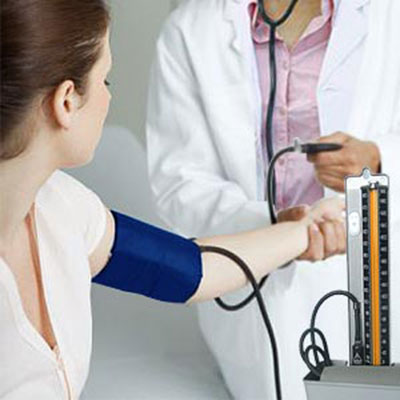
High blood pressure is indeed a matter of serious concern. High blood pressure, most often has no symptoms. Uncontrolled high blood pressure can lead to serious health complications. More and more American women have blood pressure that is higher than the optimal level. The incidence rate in American women between 1990s and the early 2000s clearly indicates an increase from 17% to 22%.
Knowing the risk factors helps to gain knowledge and prepares to take corrective steps. What are the factors that contribute to women developing high blood pressure? Are there specific stages in a woman's life when the chances are high? Gain comprehensive information on managing high blood pressure, which every health conscious women should know.
High Blood Pressure
Hypertension is the medical term for high blood pressure. The function of the heart and high blood pressure are related. The primary function of the heart is to pump blood, which takes place each time the heart beats. And, each time when the heart beats certain amount of pressure is exerted on the arteries, the pipes that carry blood to the body. This pressure is termed as 'systolic' blood pressure. Likewise, there is certain pressure present in the arteries when the heart relaxes between the beats. This is termed as 'diastolic' blood pressure.
Systolic and diastolic pressures represent a blood pressure reading. If all were normal, for an individual over 18 years of age, normal blood pressure reading would be 120/80mmHg (millimeters of mercury) or lower. On the other hand, due to certain reasons, if the blood moves through the arteries at a higher pressure than normal, the blood pressure will be high. The high blood pressure reading will be 140/90 mmHg or higher.
Brief rise in blood pressure is normal. However, if the blood pressure stays elevated, it deserves immediate medical intervention and attention. It can lead to serious health complications such as damage to blood vessels and the heart. It also increases chances of having a heart attack, heart failure, stroke, eye problems, kidney problems and nerve disease.
High blood pressure in women
According to the National Heart, Lung and Blood Institute, for a healthy adult woman, if the systolic number is 120-139 or the diastolic number is 80-89, it is prehypertension meaning absence of high blood pressure but with a near possibility of developing it in the future. For women with diabetes or chronic kidney disease, high blood pressure reading varies, which is 130/80 mmHg or higher.
- Compared to men, women aged 60 and above have high blood pressure.
- High blood pressure, if left undetected and untreated can lead to serious health issues. For example, one in four instances of heart failure in women is a result of high blood pressure.
- As women age, the risk factors to develop high blood pressure become greater. More than half the women over 50 years of age suffer from high blood pressure.
- Women who have experienced a heart attack are less prone to a second attack provided they lower their blood pressure.
- In comparison with white women, more African-American women develop high blood pressure at an earlier age.
Women and high blood pressure - Factors
Both for men and women, the exact cause of high blood pressure is unknown. Particularly for women, there are different stages where the possibility is relatively high. Being aware is the first step that helps timely detection. Seeking immediate medical intervention without delay is the second step. Remember, once high blood pressure develops, it usually persists a lifetime. And, there is no cure for high blood pressure. It can only be totally treated and brought under control.
There are factors that are common to men and women. General non-gender specific factors that contribute to having high blood pressure are:
Family history: The risk increases for individuals whose parents or siblings have or have had high blood pressure.
Age: The likelihood of developing high blood pressure increases with age. Women over 65 years and men over 55 years of age are most likely to develop high blood pressure.
Sensitivity to Sodium: The incidence is higher in people who are salt-sensitive.
Low potassium intake: Lower the potassium, higher the blood pressure. A diet rich in potassium helps prevent high blood pressure.
Body weight: Obese individuals tend to have high blood pressure. There is an increase in cardiac output, blood volume and arterial resistance.
Alcohol consumption: Alcohol consumption exceeding one drink a day for women and two for men poses great risk in having high blood pressure.
Smoking: Smoking is injurious to health; particularly nicotine in tobacco products contributes to developing high blood pressure.
Lack of exercise: Lifestyle sans exercise poses risk of developing high blood pressure.
Chill weather: Chill weather condition narrows the blood vessels and is more likely to result in high blood pressure.
Depression: Ample data suggests connection between depression and high blood pressure.
High cholesterol level: Improper diet and excess cholesterol intake influence development of high blood pressure.
Medical conditions: Diseases such as diabetes and kidney disease are linked to high blood pressure.
Women specific factors - high blood pressure
When a woman goes through specific stages in life her risk to high blood pressure increases.
During pregnancy: There are three types of high blood pressure in pregnant women.
Gestational hypertension: High blood pressure during pregnancy poses great risk to the mother and baby. Women who earlier had normal blood pressure can develop high blood pressure toward the end of pregnancy. With or without symptoms, a slightly raised blood pressure is noticed after 20 weeks of pregnancy which continues for up to 3 months after childbirth. This is termed as gestational hypertension. Blood pressure returns to normalcy after 3 months of childbirth. But the woman is likely to develop chronic high blood pressure later in life. While any pregnant woman can develop high blood pressure, gestational hypertension risk is high for:
- Women who have had high blood pressure during earlier pregnancy
- Women who were overweight before becoming pregnant
- Pregnant women younger than 20 and older than 40 years of age.
- Women who have diabetes or kidney problems.
- During multiple pregnancy
Medical experts opine gestational blood pressure can damage the pregnant woman's kidneys and or affect blood supply to the baby. Doctors recommend frequent monitoring of blood pressure to avoid complications.
Chronic hypertension: High blood pressure that predates pregnancy is referred to as chronic hypertension. It is usually diagnosed during the first prenatal check-up. It can also develop before the 20th week of pregnancy. Chronic hypertension is classified into essential and secondary hypertension. When the underlying cause is related to hypertension that runs in the family, it is essential hypertension. If the cause is related to health problems such as kidney disease, narrowing of the artery to the kidney, and adrenal tumors, it is classified as secondary hypertension.
When the underlying conditions are attended to, secondary hypertension tends to resolve. Hence, women with an underlying health condition will be recommended by health care providers to get treated before pregnancy. In case chronic hypertension doesn't respond to treatments, doctors may suggest early delivery resulting in premature birth of the baby. In most cases, if the pregnant woman isn't ready to have a normal childbirth, a cesarean will be performed.
Preeclampsia: Toxemia or Preeclampsia is purely pregnancy-induced hypertension. Preeclampsia occurs usually in first time pregnancies. Pregnant women tend to develop this life threatening condition during second or third trimester, during delivery and up to six weeks post-partum. This can develop suddenly or gradually. In most cases, the symptoms are present for months waiting to be detected. It is usually detected during a routine blood pressure check and urine check.
Doctors recommend total rest assisted with medication and hospitalization where necessary to keep high blood pressure under control. Routine blood tests will be required. The condition of the mother and baby will be closely monitored. If the situation worsens, taking into account the health condition of mother and the baby, premature childbirth will be advised either by induction of labor or cesarean. Only cure for Preeclampsia is the delivery itself. Blood pressure returns to normal level within a few weeks after delivery of the baby.
Use of birth control pills and high blood pressure: Oral contraceptives are made from synthetically produced estrogen and progesterone. There are some pills with only progesterone. Those with both estrogen and progesterone can cause the blood pressure to rise in some women. Before opting for oral contraceptive, a woman can discuss the pros and cons with a health care provider. Usually, women with high blood pressure would be discouraged to use birth control pills. However, there are chances for women to develop high blood pressure after taking pills for months or years. The risk is considered to be higher in women, who start using pills after 35 years of age, who have past history of high blood pressure, who regularly smoke or have an underlying health condition.
Menopause and high blood pressure: Menopause is a gradual process. Many women notice an increase in blood pressure during the menopause period. The connection between menopause and high blood pressure is not fully understood. Some studies suggest the loss of bone during menopause can increase a woman's risk of high blood pressure. There is also information regarding increase in systolic pressure during the period by about 5 mmHg after menopause.
Certain reports suggest that hormonal changes or the falling estrogen levels may influence increase in blood pressure. Hormones play an important role in maintaining blood pressure. Women who opt for HRT or hormone replacement therapy for menopause are likely to notice an increase in high blood pressure. The actual cause may vary. It is best to seek medical advice, as one is about to step into the period.
Post menopause and high blood pressure: Post menopause, women find it difficult to maintain usual weight or experience rapid weight gain. This can lead to obesity-induced high blood pressure. The depletion of female hormones contributes to estrogen deficiency, which affects appetite, metabolism and fat storage. Reduction in estrogen will also affect the blood vessels and result in a reduction of blood flow. Post menopause changes are almost inevitable.
Managing high blood pressure
High blood pressure can be definitely controlled. In the absence of a specific cure, learning ways to manage high blood pressure is highly important. Here are useful tips to manage high blood pressure. Evaluate and adopt a combination that is best to lower high blood pressure. Consistent and unrelenting efforts seldom prove futile in lowering high blood pressure.
- Check blood pressure often, at least once a year.
- If diagnosed with high BP, pay regular visit to health care provider.
- Don't miss to take medications regularly to keep blood pressure under control.
- Give importance to get effective treatment for medical conditions, if any.
- A brisk 30-minute walk or effective physical exercises, adhere to a fitness regimen.
- Provide feedback to health care provider about any inconvenience with regard to intake of medicines, dietary changes or any other recommendation.
- Learn to use self-monitoring blood pressure reading equipment.
- Maintain blood pressure readings and discuss with health care provider.
- Check weight. If obese follow medical advice, restrict diet and be regular with physical activities.
- Eat healthy foods. Include more fruits, vegetables, whole grain breads and cereals.
- Prefer fat-free and low-fat dairy products.
- Quit smoking and limit alcohol consumption to a safe level.
- Learn, practice and experience benefits of stress relieving techniques.
- Before opting to use oral contraceptives, women should seek advice of health care provider.
- Before using pain killer medication like Tylenol, do consult health care provider as the risk is twice higher compared to those women who do not use it.
- Pregnant women if advised bed rest and drug therapy should adhere to health care provider's instructions to ensure normal pregnancy and normal delivery.
Top of the Page: Managing High Blood Pressure
Tags:#high blood pressure in women #managing high blood pressure #prehypertension
Women's Heart Attack Symptoms
Women Heart Disease Statistics
Heart Disease Risk Calculator
Reverse Heart Disease
Ischemic Heart Disease
Framingham Heart Study Risk
Hypertension Primary Pulmonary
Low Blood Pressure High Pulse
Managing High Blood Pressure
Cholesterol Levels for Women
Endothelial Dysfunction
Other health topics in TargetWoman Women Health section:
General Women Health

Women Health Tips - Women Health - key to understanding your health ...
Cardiac Care
Women's Heart Attack Symptoms - Identify heart problems...
Skin Diseases
Stress Hives - Red itchy spots ...
Women Disorders
Endocrine Disorder - Play a key role in overall wellbeing ...
Women's Reproductive Health
Testosterone Cream for Women - Hormone replacement option ...
Pregnancy
Pregnancy - Regulate your lifestyle to accommodate the needs of pregnancy ...
Head and Face
Sinus Infection - Nearly 1 of every 7 Americans suffer from ....
Women and Bone Care
Slipped Disc - Prevent injury, reduce pain ...
Menstrual Disorders
Enlarged Uterus - Uterus larger than normal size ...
Female Urinary Problems
Bladder Problems in Women - Treatable and curable ...
Gastrointestinal Disorders
Causes of Stomach Ulcers - Burning feeling in the gut ...
Respiratory Disorders
Lung function Test - How well do you breathe ...
Sleep Management

Insomnia and Weight Gain - Sleep it off ...
Psychological Disorders in Women
Mood swings and women - Not going crazy ...
Supplements for Women
Women's Vitamins - Wellness needs...
Natural Remedies

Natural Diuretic - Flush out toxins ...
Alternative Therapy
Acupuncture Point - Feel the pins and needles ...
Top of the Page: Managing High Blood Pressure
Popularity Index: 101,845