|
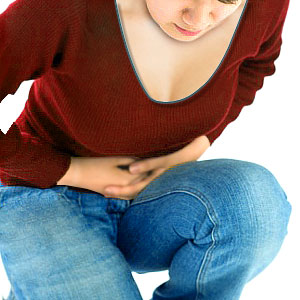
Are painful stomachaches becoming a regular affair? Sincere efforts to flatten the abdomen by following a disciplined exercise schedule don't seem to help. The abdomen remains bloated always. Not to miss a sense of constipation all of a sudden overridden by onset of diarrhea! You are subjected to great discomfort. At times it is highly embarrassing too. What is going on?
These are symptoms of an intestinal disorder called irritable bowel syndrome. Also called functional bowel syndrome, irritable colon, colitis, mucous colitis, laxative colitis, spastic colon, intestinal neurosis, nervous indigestion, spastic bowel and spastic colon, irritable bowel syndrome is found to be more common in women than in men.
Some say that irritable bowel syndrome is a psychosomatic disorder. That stress and anxiety set the disorder in motion. Is there a link between stress, anxiety and irritable bowel syndrome? Read further to know the truth. You may require specialist advice to find suitable treatment options for irritable bowel syndrome.
Irritable bowel syndrome
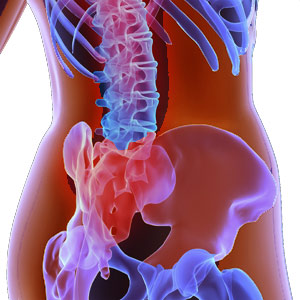
Irritable bowel syndrome is not contagious, inherited or cancerous. Neither does it mean that there is a problem with the structure of the intestine. When an individual is diagnosed with irritable bowel syndrome it means the intestine is not functioning normally, particularly the large intestine. The job of small intestine and the large intestine is to process food from the stomach. Part of the food-processing job is done by small intestine like absorbing nutrients from food and passing the undigested food into the large intestine. Once the undigested food enters the large intestine or colon, the muscles in the colon get to work. The muscles contract and relax and push the undigested food through the large intestine. In order to push the waste out of the anus, the muscles require to co-ordinate and work together with other muscles in the body.
However if the muscle movement in the intestine is not normal or if there is a lower tolerance for stretching and movement of the intestine, the muscle contractions may become too hard. This affects the elimination of waste out of the body. At this stage, the individual suffers cramps in the abdomen area, abdomen bloat and may stop eliminating the waste (constipation) or may develop an urgency to visit bathroom (diarrhea).
Irritable bowel syndrome symptoms
With respect to irritable bowel syndrome, the pattern of symptoms does not occur isolated but all together. However, the symptoms and its intensity may vary from person to person. The most common symptoms of irritable bowel syndrome are classified into primary, secondary and mental symptoms.
Primary symptoms: Abdominal pain, abdominal swelling or bloating, bowel irregularities, constipation or diarrhea or alternative bouts of diarrhea and constipation. Almost all irritable bowel syndrome sufferers who seek medical help have these primary symptoms.
Secondary symptoms: Feeling full or loss of appetite, feeling of nausea, heartburn and indigestion. There are instances where IBS sufferers have bladder problems, complain of an urgency to urinate frequently.
Mental symptoms: Anxiety, depression, emotional distress, irritability and tiredness.
Irritable bowel syndrome triggers
Irritable bowel syndrome can occur at any age. But there is a high possibility of its onset in adolescence or early adulthood. In the absence of established specific data as to why women suffer more, it is only suspected that the changing hormones in the female menstrual cycle may have a role to play. Data collected from women IBS sufferers show that the signs and symptoms are worse around and during menstrual cycles.
There are no specific trigger factors common for all IBS sufferers. Similarly a certain food or health factor, which is recognized as a trigger factor at a given point of time, needn't necessarily bother at all times. To a great extent, a lot depends on how different foods physically impact the gastrointestinal tract. Take a look at possible IBS causes or triggers or factors:
- Individuals with a family history of IBS are susceptible.
- Also those who have chronic fatigue syndrome, fibromyalgia and temporomandibular disorder.
- People with panic disorder or any other psychological condition. Due to emotional stress and anxiety the nerves of the bowels may be affected.
- Those who have been subjected to physical or sexual abuse, domestic violence or psychological trauma.
- Certain medications like antibiotics, antidepressants, antacids and painkillers can lead to constipation or diarrhea.
- Food or substances can trigger spasms in people. For example, milk products consumed by lactose-intolerant people, fatty foods, carbonated drinks, corn and wheat can make digestion difficult leading to constipation.
- Caffeine in coffee has bowel-stimulating properties. Also, tea, alcohol, nicotine in tobacco can lead to chronic digestive disruptions.
- Gastrointestinal infection will result in frequent bowel symptoms even days or months after the infection has been treated.
- Abnormalities in gastrointestinal secretions.
Stress and Irritable bowel syndrome
Are the brain and intestines connected? The colon or large intestine has many nerves that connect it to the brain. Is there an interconnection between stress and irritable bowel syndrome? It is only that depression, anxiety, stress or any psychological disturbance can stimulate the colon to overact, the muscles in the bowel walls tighten up. These factors make IBS worse.
Irritable bowel syndrome diagnosis
Not all those with IBS seek medical help. They either learn to cope for the rest of the life or choose to self-medicate. Many people seek medical help after a long wait. In fact, only a quarter of those with symptoms seek medical help without delay. Hence, the first step is to accept the importance of seeking immediate medical assistance. Gastroenterologists take into consideration the following:
- Abdominal pain or any kind of abdominal discomfort experienced for 12 weeks. Does not have to be consecutive.
- The abdominal pain or discomfort is a) relieved post a bowel movement b) it influences the number of bowel movement c) it brings a change in stool form and looks.
- Presence of other symptoms such as mucus in the stool, abdominal bloating, change in frequency as well as appearance of bowel movements, uncontrollable urge to have a bowel movement, finding it difficult to pass stool.
- If symptoms like bleeding, fever, weight loss and continuous severe pain exists, they may be indicative of other health issues.
There is no specific laboratory test for IBS. Usually a physical examination coupled with detailed analysis and categorizing the pattern and types of symptoms is done. Diagnostic tests like stool sample testing, blood tests and abdominal x-rays will be suggested to rule out other bowel disorders or exclude conditions that produce IBS-like symptoms. Further, a sigmoidoscopy or colonoscopy is done. This allows the doctor to examine the lining of large intestine. It helps detect inflammation, bleeding or tumors.
Irritable bowel syndrome treatment
There is no one treatment method that is a 'cure-for-all'. It is the symptoms that determine the method of treatment. The treatment differs from patient to patient and is always individualized. For some changes in diet can help. For others, dietary modifications along with lifestyle changes may be suggested. Use of medications are an important part of relieving IBS symptoms. Attending behavioral therapy classes helps to learn how to cope with pain and discomfort related to IBS.
Various behavioral therapy techniques such as relaxation therapy, biofeedback, hypnotherapy, cognitive behavioral therapy, and traditional psychotherapy have been used as supplement therapy to treat IBS sufferers. Do talk with your health care provider. Review the various treatment methods. Over a period of time, as the treatment progresses, you would understand which treatment method or combination works best for you.
Irritable bowel syndrome - health tips
- Find food items that seem to cause distress. Make a note.
- Avoid foods high in fat. Make it a very rare, limited indulgence.
- Eat salads after the main course. Raw vegetable with fiber may lead to IBS symptoms.
- Food low in fat and high in carbohydrates may help.
- Choose fruits and vegetables suitable for your digestion.
- Eat well before bedtime.
- Drink 6-8 classes of water. Helps digestive system to work better.
- Change from 3 larger meals to 6 small meals a day.
- Learn to eat slowly. Chew food well before swallowing.
- Avoid carbonated beverages. Causes gas and discomfort.
- Try complementary or alternative therapies diligently.
- Do not avoid or cancel travel plans. Instead plan well before traveling.
|