
Hemorrhoids

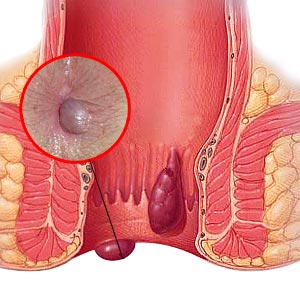
Hemorrhoids or piles refer to a condition wherein the veins around the anus or lower rectum get swollen and inflamed. In simple words hemorrhoids are veins that get swollen in the anal canal. The term hemorrhoids refer to 'cushions of tissue filled with blood vessels at the intersection of the rectum and the anus'. Hemorrhoids are painful but surely not dangerous or life threatening.
Hemorrhoids are common in both men and women. Almost half the population suffers from hemorrhoids when they reach 50. About 89% of Americans suffer from hemorrhoids. Hemorrhoids are very common among pregnant women. The pressure of the fetus on the abdomen and hormonal changes affect the blood vessels and force them to enlarge. These vessels experience severe pressure during childbirth thereby making hemorrhoid a common occurrence in women. In general hemorrhoids induced by pregnancy are a temporary problem in most women.
What causes hemorrhoids?
Too much pressure exerted on the
veins in the pelvic and rectal area can cause hemorrhoids. Hemorrhoids can
occur either inside the anus (internal) or under the skin around the anus (external).
The following conditions can cause strain on the veins thus causing hemorrhoids:
- Straining too much to pass stools
- Sitting for too long
- Chronic constipation
- Pregnancy
- Childbirth
- Obesity
- Cigarette smoking
- Excessive coughing
- Aging
- Diarrhea
- Having anal intercourse
- Hypertension
- Lifting heavy weight
Types of hemorrhoids
Internal hemorrhoids: Veins that get swollen inside the anal canal
are referred to as internal hemorrhoids. Internal hemorrhoids are not very
painful as there are no pain receptors in this area. Most people who have
internal hemorrhoids are not even aware of having them. Internal hemorrhoids
can bleed when they are irritated.
External hemorrhoids: Veins that get swollen near the opening of the anus are termed as external hemorrhoids. These hemorrhoids are at times painful and cause swelling and irritation.
Anal fissure: A thin tear in the anal area is an anal fissure. This hemorrhoid is itchy, painful and bleeds while passing stools.
Prolapsed hemorrhoids: These hemorrhoids are a type of internal hemorrhoid and they stretch down until they protrude outside the anus. This type of hemorrhoid can be painful.
Thrombosed hemorrhoids: A blood clot forms inside the external hemorrhoid thus causing thrombosed hemorrhoid. This type of hemorrhoid is very painful and can be felt as a stiff but tender mass in the anal area.
Symptoms of hemorrhoids
Although many people have hemorrhoids,
not all experience symptoms. Symptoms vary based on whether the hemorrhoid is
internal or external. Common symptoms for all types of hemorrhoids include:
- Bleeding during bowel movements
- Rectal pain
- Itching
Diagnosis of hemorrhoids
People experiencing bleeding from
the rectum or blood in the stool should get a thorough examination done through
the doctor. Correct diagnosis of hemorrhoids is very important as bleeding
could also be a symptom of other digestive diseases or colorectal cancer. Diagnosis
for hemorrhoids includes:
- Physical examination of the anus and the rectum by the doctor to check for swollen blood vessels that can be a vital sign of hemorrhoids
- A digital rectal exam to check for abnormalities, if any
- An anoscope (a hollow, lighted tube is used for viewing internal hemorrhoids) helps to view the rectum closely for hemorrhoids
- Doctors may also use a proctoscope for a complete examination of the rectum
- A Sigmoidoscopy (use of lighted, flexible tubes inserted through the rectum) is used to view the rectum and lower
colon/sigmoid, this helps in ruling out possibilities of other causes of gastrointestinal
bleeding.
Treatment for hemorrhoids
- Tub/sitz baths several times a day in plain/warm
water for about 10 minutes
- Increase intake of fiber and fluids to prevent
constipation
- Ice packs can help reduce swelling.
- Applying hemorrhoidal cream to the affected area as
suggested by the doctor.
- In few cases when the hemorrhoid is severe, it is
removed surgically. Surgery shrinks and destroys the hemorrhoidal tissue.
Common techniques followed in removal of hemorrhoids
Hemorrhoidectomy: At times severe internal or external hemorrhoids
may require removal by surgery; this procedure is known as hemorrhoidectomy.
Sclerotherapy: A chemical solution is injected around the blood vessel so as to shrink the hemorrhoid.
Rubber band ligation: A rubber band is positioned inside the rectum around the bottom of the hemorrhoid. The band helps in cutting off blood circulation thereby forcing the hemorrhoid to wither away after a few days.
Infrared coagulation: A special device is used to burn hemorrhoidal tissue.
Laser coagulation: This is a new technique; electric current is applied to remove the hemorrhoids.
Home remedies for hemorrhoids
- Drinking plenty of fluids to prevent constipation
- Eating a fiber rich diet to prevent constipation and to ensure soft stools
- Eat plenty of fresh fruits and vegetables
- Exercise regularly
- Wear loose fitting cotton clothes and underwear
Prevention of hemorrhoids
- Do not sit for too long, take breaks in between
- Try to keep stools soft so that they can pass easily,this will decrease pressure and straining in the anal area
- Exercises like walking can prevent hemorrhoids
- High content fiber diet can prevent constipation thus preventing hemorrhoids
- Do not lift very heavy objects, if you do so, exhale while lifting the object
- Do not cough excessively and strain too much while coughing
Interesting facts about hemorrhoids
- Hemorrhoids are listed as one of the most common ailments.
- A large percentage of the population develops hemorrhoids, generally after age 30.
- Most people who suffer from hemorrhoids do not seek immediate medical advice and undergo the suffering quietly.
- Painless treatment for hemorrhoids is available these days.
Pregnancy and hemorrhoids
Pregnancy makes women more prone to hemorrhoids. The main reason behind hemorrhoids in pregnant women is attributed to:
- The growing uterus applies pressure on the veins thus causing the veins in the lower limbs to swell.
- Constipation is common during pregnancy which can also cause or worsen hemorrhoids.
- An increased level of the hormone progesterone during pregnancy allows the walls of the veins to relax thus causing swelling of the same. Progesterone also causes constipation thus causing hemorrhoids.
Preventing hemorrhoids in pregnant women
- Eat a fiber-rich diet to avoid constipation.
- Drink plenty of water.
- Go in for Kegels exercise; this can strengthen the
muscle around the anus and also improve the blood circulation in the area.
- Get some physical activity.
- Do not sit for too long.
Top of the Page: Hemorrhoids
Tags:#hemorrhoids #hemorrhoids treatment #hemorrhoids during pregnancy #hemorrhoids causes #hemorrhoids bleeding #hemorrhoids home remedy
Causes of Stomach Ulcers
Abdominal Hernia
Internal Body Cleansing
Ulcerative Colitis
Irritable Bowel Syndrome
Acid Reflux Syndrome
Belly Bloat
Inflammatory Bowel Disease
Groin Hernia in Woman
Carcinoid
Colonoscopy Procedure
Bariatric Surgery
Hemorrhoids
Colon Cleansing
Other health topics in TargetWoman Women Health section:
General Women Health

Women Health Tips - Women Health - key to understanding your health ...
Cardiac Care
Women's Heart Attack Symptoms - Identify heart problems...
Skin Diseases
Stress Hives - Red itchy spots ...
Women Disorders
Endocrine Disorder - Play a key role in overall wellbeing ...
Women's Reproductive Health
Testosterone Cream for Women - Hormone replacement option ...
Pregnancy
Pregnancy - Regulate your lifestyle to accommodate the needs of pregnancy ...
Head and Face
Sinus Infection - Nearly 1 of every 7 Americans suffer from ....
Women and Bone Care
Slipped Disc - Prevent injury, reduce pain ...
Menstrual Disorders
Enlarged Uterus - Uterus larger than normal size ...
Female Urinary Problems
Bladder Problems in Women - Treatable and curable ...
Gastrointestinal Disorders
Causes of Stomach Ulcers - Burning feeling in the gut ...
Respiratory Disorders
Lung function Test - How well do you breathe ...
Sleep Management
Insomnia and Weight Gain - Sleep it off ...
Psychological Disorders in Women
Mood swings and women - Not going crazy ...
Supplements for Women
Women's Vitamins - Wellness needs...
Natural Remedies
Natural Diuretic - Flush out toxins ...
Alternative Therapy
Acupuncture Point - Feel the pins and needles ...
Top of the Page: Hemorrhoids
Popularity Index: 101,263