
Adult Acne in Women

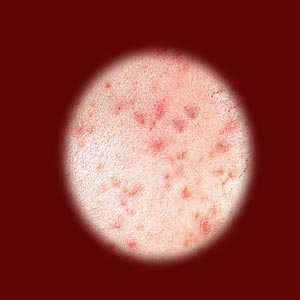
Acne is a common skin among adolescents. Usually acne begins with blemishes on the forehead, nose and gradually migrates down the face. Acne could not only occur for teenagers, but also for adults of age group 20-40 years. It is highly frustrating when acne reappears even in the adult age. Adult acne on the other hand is low grade and tends to be more chronic. The main cause of adult acne seems to be hormonal imbalance; stress and environmental changes cause further aggravation.
Types of acne
Persistent acne: Acne that does not clear by mid 20's is called persistent acne. They leave deep-seated, inflamed pimples and nodules on the skin. They are basically formed on the lower face, around mouth, chin and jaw line.
Late-onset acne: Adults develop late-onset acne. People who never had acne for many years suddenly see deep-seated, inflammatory marks on the face. Even women who never had acne are prone to this type of acne during pregnancy and menstruation. They are formed predominately in the lower face. Some cases, lesions are formed on the chest and back.
Causes for adult acne in women
Hormonal factors: Fluctuating hormones can cause acne to flare up. Hormonal changes can occur during pregnancy and menopause. Many women experience a breakout during this period. Acne is caused by the over stimulated male hormones called androgen. They stimulate oil glands in the skin.
Many adult women notice premenstrual acne flare up. Pregnant women during the early stages of pregnancy and few months after delivery face these problems due to hormonal swing.
Medication and conditions: Usage of certain pills, steroids, hormone therapies, birth control treatments can lead to acne. It may be the possible side effects of certain medication like anti-convulsants, corticosteroids and sobriety drugs. Never stop any medication without the advice of doctor.
Heredity: Some people have genetic predisposition to acne.
Stress: Stress may trigger the level of acne.
Hair and skin products: One should be very careful while choosing the cosmetics especially oily or greasy products as they promote acne. Try to buy cosmetic products which are non-acnegenic which are less likely to cause acne.
If you have the following symptoms, then you should visit a dermatologist.
- When acne appears suddenly in adulthood after it has been cleared up earlier.
- If the acne treatment is not showing any effect.
- If the acne flares up more during menstruation or pregnancy.
- Sign of masculine traits like excessive hair growth or hair loss.
- When skin near armpits and body folds gets darken.
- When the middle part of torso becomes obese.
- Adult acne in women can be a sign of PCOD (Polycystic ovarian disorder). If severe acne is noticed along with thinning hair or irregular menstrual cycle, you can consult a doctor to rule out any other underlying cause such as tumor in the ovaries or adrenal glands.
Treatments for adult acne
Women with acne are treated according to their specific needs and medical history by their dermatologist.
Oral contraceptive pills: It is an estrogen-progesterone combination which can alter the hormonal pattern. This pill can be taken for extended period to control the acne, unless the women want to get pregnant. Many women avoid this treatment as it leads to other side effects like weight gain, nausea, menstrual spotting and breast tenderness.
Oral corticosteroids: These are anti-inflammatory drugs and are prescribed to suppress androgen production and inflammation in severe acne. Weight gain and bone thinning are major downsides of this treatment.
Antiandrogens: These drugs are used to reduce the androgen production in ovaries and adrenal glands. They stop the androgen reception in the sebaceous follicles of cells; thereby avoiding acne formation. Side effects caused are irregular menstruation and breast tenderness.
Other treatments available for hormonal acne include topical antimicrobials like benzoyl peroxide and antibiotics and topical retinoid.
Top of the Page: Adult Acne in Women
Tags:#adult acne in women
 Beauty
 Facial Skin Care
Skin Care Essentials
Men's Skin Care
Beauty Control - Sunscreen
Sunburn Remedies
Natural Sunblock
Beauty Care Routine
Skincare Tips for Teens
Dry Skin Care
Asian Skin Care
Black Skin Care
Pregnancy Skin Care Tips
Oily Skin Care
Skincare For Aging Skin
Common Skin Problems
 Crow's Feet
 Hyperpigmentation
Melasma
Acne during Pregnancy
Back and Chest Acne
Adult Acne in Women
Excessive Sweating
Whiteheads
Cause Dark Eye Circle
Chapped Lips
Age Spot
Skin Cancer Symptom
Skin Care Treatments
 Chemical Skin Peels
 Radio Frequency Skin Tightening
Electroporation Beauty Treatment
Home Remedies for Large Pores
Dermaplaning Benefits
Manuka Oil Benefits
Skin Needling
Cheek Fillers
Cosmetic Dermal Filler
Skin Lightening
Skin Exfoliation
Bamboo Massage
Dry Skin Brushing
Stretch Mark Removal
Freckle Removal
Rosacea Treatment
Skin Care Routine
Tretinoin Cream Benefits
Alpha Hydroxy Acid
Homemade Face Mask
Bath Salt Recipe
Tea Tree Oil
Wrinkle Cream
Almond oil Benefits
Jojoba Oil
Handmade Soap
Eye Creams
Facial Cleanser
Botox Cosmetic
Benefit of Aloe Vera
Shea Butter Benefit
Top of the Page: Adult Acne in Women
Popularity Index: 100,890